Mattress Height vs. Bed Frame: Understanding the Differences and Benefits
your sleep guide Jun 05, 2025
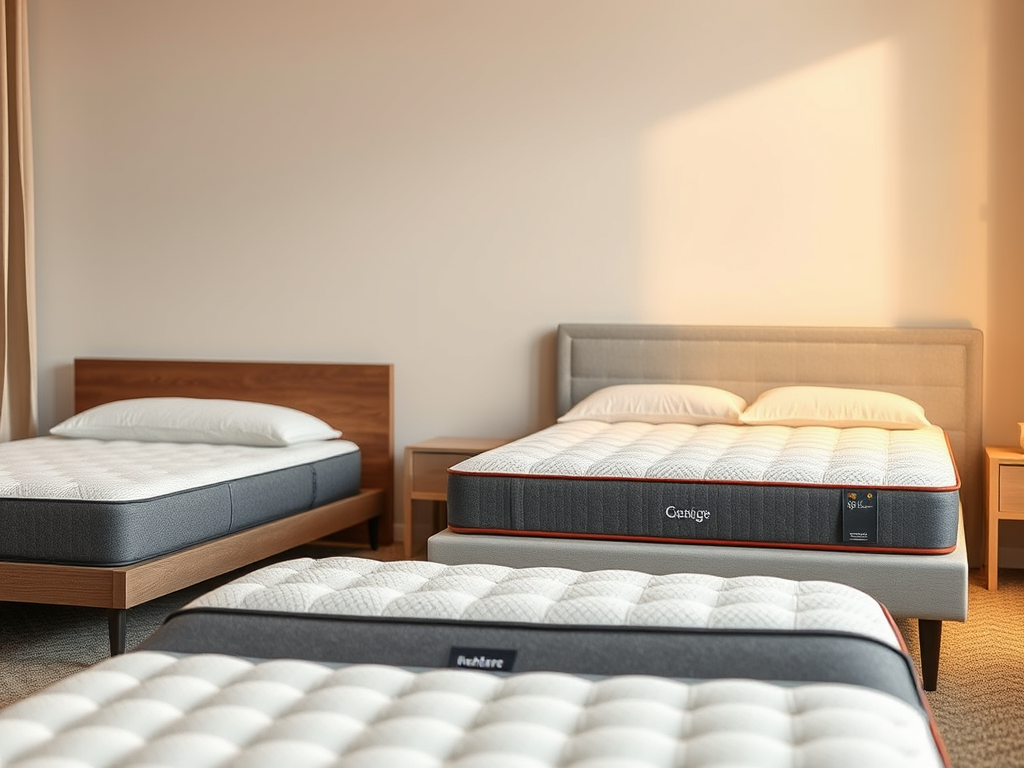
Have you ever climbed into bed and felt something wasn’t quite right with the height? Maybe it was too high, making you feel like you needed a stepstool, or too low, causing you to practically sit on the floor. Getting the perfect bed height is more than just personal preference – it’s about comfort, accessibility, and creating the right bedroom atmosphere. I’m here to help you understand how mattress height and bed frame choices work together to create your ideal sleep setup.
When I talk to customers at our Mattress Direct stores in North Myrtle Beach and Conway, many are surprised to learn that the relationship between mattress height and bed frame isn’t as simple as they thought. Your mattress thickness combined with your bed frame height affects everything from how easily you can get in and out of bed to how well you sleep at night. Whether you’re dealing with mobility issues, trying to match your room’s style, or just wanting the most comfortable sleep possible, understanding these height differences is crucial.
As a mattress expert, I’ve seen how the right height combination can transform someone’s sleep experience. A bed that’s too high or too low can lead to discomfort and even affect your sleep quality. That’s why I always take time to explain these important details to my customers, helping them make informed decisions about their sleep setup.

Key Takeaways
- Mattress height ranges from 8 to 20 inches, affecting comfort and accessibility
- Bed frame style determines overall bed height and sleep experience
- The right height combination supports easier bed entry and exit
- Different mattress heights work better with specific bed frame types
- Your physical needs and room design should guide height choices
What is Mattress Height?
Mattress height, also known as mattress thickness, is the measurement from the bottom to the top of your mattress. When I’m showing customers our premium mattress collection, I explain how different heights serve different purposes.
The thickness of a mattress typically ranges from 8 to 20 inches. Low-profile mattresses usually measure between 8 and 12 inches, while standard mattresses are 12 to 14 inches thick. Premium or luxury mattresses, like some models from Tempur-Pedic and Stearns & Foster, can reach heights of 16 to 20 inches.
Your mattress height affects more than just how your bed looks – it impacts your whole sleep experience. A thicker mattress often means more comfort layers and support systems, which can provide better pressure relief and support. However, this doesn’t always mean that thicker is better. The right height depends on your specific needs, sleeping position, and how you plan to use your bed.
Standard Mattress Heights Explained
Understanding standard mattress heights helps you make better choices for your sleep needs. Here’s what I tell my customers about different mattress heights:
- Low-Profile (8-12 inches): Perfect for platform beds, bunk beds, and modern, minimalist designs
- Standard Profile (12-14 inches): Most common height, works well with traditional bed frames
- Medium Profile (14-16 inches): Offers extra comfort layers while maintaining accessibility
- High Profile (16-20 inches): Luxury options with maximum comfort layers and support
Each height category serves specific purposes. Low-profile mattresses work great in kids’ rooms or when you want a contemporary look. Standard profile mattresses, like many Sealy Posturepedic models, offer versatility and compatibility with most bed frames. Higher profile options, such as premium Stearns & Foster mattresses, provide luxurious comfort with their additional layers.
Advantages of Mattress Height

Different mattress heights offer unique benefits that can enhance your sleep experience. As someone who’s helped countless customers find their perfect mattress, I’ve seen how the right height can make a significant difference.
“The perfect mattress height isn’t just about comfort – it’s about making your bedroom functional and accessible while meeting your specific needs.”
A higher mattress might be ideal if you have mobility issues or prefer not to bend too low when getting in and out of bed. These mattresses, like some Tempur-Pedic models, often provide extra comfort layers and better edge support. They can also make a bold statement in your bedroom, creating a luxurious hotel-like feel.
Lower profile mattresses have their own advantages. They’re easier to make up with sheets, work well in rooms with low ceilings, and often cost less than their thicker counterparts. They’re also perfect for adjustable bed frames, as they can flex more easily while maintaining support. The Carrington Chase collection offers several excellent low-profile options that don’t compromise on comfort.
Understanding Bed Frame Height
When it comes to getting the best sleep possible, bed frame height plays a crucial role in both comfort and accessibility. The right bed frame height can make a significant difference in how easily you get in and out of bed, as well as how your bedroom looks and feels. A properly sized bed frame works with your mattress height to create the perfect sleeping setup.
The total height of your bed depends on both your mattress and bed frame measurements. Standard bed frame heights typically range from 7 to 18 inches from the floor, not including the mattress. This variation allows you to choose a setup that matches your needs and preferences.
I find that bed frame height affects several aspects of your sleep experience:
First, it impacts how easily you can get in and out of bed. For older adults or those with mobility issues, a higher bed frame might be more comfortable. On the other hand, younger people or those who prefer a modern, low-profile look might choose a lower frame.
Second, bed frame height influences under-bed storage space. Higher frames provide more room for storage boxes, while lower frames create a sleek, minimalist look. This is especially important in smaller bedrooms where storage space is limited.
Third, the right bed frame height helps maintain proper mattress support and airflow. A well-designed frame keeps your mattress at an ideal height while allowing air to circulate, which can help extend your mattress’s life.
Types of Bed Frames and Their Heights
| Frame Type | Height Range | Best For |
| Platform Bed | 7-12 inches | Modern style, no box spring needed |
| Traditional Frame | 7-9 inches | Box spring required, classic look |
| Adjustable Base | 14-18 inches | Customizable positions, health benefits |
| Storage Bed | 12-16 inches | Extra storage space, organized look |
Platform beds offer a modern, low-profile look and don’t need a box spring. Traditional frames work well with box springs and come in various heights. Adjustable bases, like those from Tempur-Pedic, provide customizable positions for reading, watching TV, or addressing health concerns.
Bed Frame Height Differences
The difference in bed frame heights can significantly impact your daily comfort and room aesthetics. Low-profile frames, sitting closer to the ground, create a modern, minimalist look that’s popular in contemporary bedrooms.
“The right bed height makes all the difference. Since switching to a higher frame that matches my needs, getting in and out of bed is so much easier, and my bedroom looks more put together.” – Customer feedback from Conway store
Mid-height frames offer versatility and work well with most mattress types. They’re particularly good with Sealy and Sealy Posturepedic mattresses, providing an ideal sleeping height for most people.
Taller frames can make a room feel more traditional and stately. They’re often preferred in master bedrooms or rooms with high ceilings. The extra height also makes it easier to get in and out of bed, which is especially helpful for those with joint or mobility issues.
Mattress Height and Bed Frame Compatibility
Finding the right combination of mattress height and bed frame is essential for both comfort and style. When shopping for a compatible mattress and frame setup, consider how they work together to create your ideal bed height.
The compatibility between your mattress and bed frame affects everything from how well you sleep to how long your mattress lasts. A proper match ensures your mattress gets the support it needs while maintaining its shape and comfort level over time.
Height Considerations for Mattresses and Frames
When choosing your mattress and frame combination, keep these important factors in mind:
- Total Bed Height: Measure from the floor to the top of your mattress – ideal height is when your feet can touch the floor while sitting on the edge
- Frame Support: Make sure your frame can properly support your chosen mattress thickness
- Room Proportions: Consider how the total height will look in your space
- Personal Needs: Factor in any physical limitations or preferences for getting in and out of bed
Raising Bed Height: Pros and Cons
Raising your bed height can be achieved through either a taller frame or a thicker mattress. Each method has its benefits and drawbacks.
The pros of a higher bed setup include easier access for those with mobility issues, increased under-bed storage space, and a more traditional bedroom appearance. This setup works particularly well with luxury mattresses like Stearns & Foster, which tend to be thicker.
However, higher beds might not suit everyone. They can make rooms with low ceilings feel cramped and might be challenging for shorter people or children to access comfortably. They also might not match modern, minimalist design preferences.
A balanced approach often works best – choosing a frame and mattress combination that provides the benefits you need while maintaining comfort and style. For example, a Carrington Chase mattress on a medium-height frame often creates an ideal balance for most sleepers.
Choosing the Right Height for Your Needs
When it comes to selecting the perfect bed height, there’s no one-size-fits-all solution. The right combination of mattress height and bed frame can make a huge difference in your daily comfort and sleep quality. At Mattress Direct, we understand that finding the ideal height is about more than just personal preference – it’s about matching your lifestyle and physical needs.
One of the most important factors to consider is your current mobility level. If you have any joint issues or difficulty getting in and out of bed, you might want to look at our adjustable bed frame options that can be customized to your perfect height.
Your bedroom’s overall design also plays a crucial role in determining the right bed height. A too-tall bed can overwhelm a room with low ceilings, while a very low bed might look out of place in a room with high ceilings. The key is finding the sweet spot that works for both your comfort and your room’s aesthetics.
When measuring for the right bed height, remember to account for both your mattress thickness and bed frame height. A good rule of thumb is that your feet should touch the floor while sitting on the edge of your bed with your knees at a 90-degree angle. This typically means the top of your mattress should be about 25 inches from the floor for most adults.
Best Height for Beds Based on Body Type
Your body type and height significantly influence what bed height will work best for you. Here’s a detailed breakdown to help you find your ideal bed height:
| Height Range | Recommended Bed Height (from floor to top of mattress) | Suggested Frame/Mattress Combination |
| Under 5’5″ | 21-25 inches | Low-profile frame + standard mattress |
| 5’5″ to 5’9″ | 24-28 inches | Standard frame + medium profile mattress |
| Over 5’9″ | 26-31 inches | Tall frame + luxury mattress |
Beyond height, consider these body-specific factors:
- Back or joint issues: Higher beds (25-30 inches) reduce the strain of getting in and out
- Side sleepers: Medium height (24-28 inches) works best for easy position changes
- Athletic builds: Lower heights (21-25 inches) can accommodate active lifestyles
Low Height Mattress Options
Low-profile mattresses are gaining popularity, especially among those who prefer a modern, minimalist look. These mattresses, typically ranging from 8 to 12 inches in height, offer several advantages while maintaining excellent support and comfort levels.
The Sealy Posturepedic line includes several low-profile options that don’t compromise on comfort. These mattresses work particularly well in rooms with limited space or when paired with storage bed frames. They’re also ideal for children’s rooms or guest rooms where a lower bed height might be more practical.
When choosing a low-profile mattress, pay attention to the internal construction. Even though these mattresses are thinner, they should still provide adequate support layers. Many of our Carrington Chase models offer excellent support despite their slimmer profile, making them perfect for those who want a lower bed without sacrificing comfort.
For the best results with a low-profile mattress, consider these factors:
- Room size and ceiling height
- Existing furniture proportions
- Your preferred sleeping position
- Any specific health considerations
Adjustable Bed Frames and Mattress Height
When it comes to getting the perfect night’s sleep, adjustable bed frames paired with the right mattress height can make a significant difference in your comfort. At Mattress Direct, we understand that finding the right combination is essential for your well-being. Our selection of adjustable bed frames works seamlessly with various mattress heights to give you the best sleeping experience possible.
Adjustable bed frames have gained popularity because they offer customizable comfort options that standard bed frames can’t match. These frames can support mattresses between 8 to 14 inches thick, though the sweet spot typically falls between 10 to 12 inches. This range ensures proper flexibility while maintaining the mattress’s structural integrity during adjustments.
The relationship between your adjustable frame and mattress height is crucial. A mattress that’s too thick might not bend properly at the articulation points, while one that’s too thin might not provide enough comfort when the bed is adjusted. Brands like Tempur-Pedic and Sealy have specifically designed their mattresses to work perfectly with adjustable bases, ensuring optimal performance and longevity.
How Adjustable Frames Work with Mattress Height
Understanding how adjustable frames interact with different mattress heights is key to making the right choice. Modern adjustable bases use advanced mechanisms to smoothly raise and lower different sections of the mattress. The technology behind these movements requires specific mattress specifications to work correctly.
“The perfect adjustable bed setup combines the right frame flexibility with ideal mattress thickness, creating a sleep system that responds to your every need.”
Most quality adjustable frames feature a zero-clearance design, meaning they can accommodate various mattress heights without requiring additional space between the frame and floor. This design element is particularly important when considering room aesthetics and overall bed height preferences.
The flexibility of the mattress material also plays a crucial role. Memory foam mattresses from brands like Tempur-Pedic typically work best with adjustable frames because they can flex without losing support. Hybrid mattresses from Sealy Posturepedic also perform well, as they’re engineered to maintain their shape while conforming to the frame’s movements.
Impact on Sleep Quality
The combination of the right mattress height and adjustable frame can significantly improve your sleep quality. When properly matched, this pairing allows for customized positioning that can help with various health concerns and comfort preferences.
For example, being able to slightly elevate your head can help reduce snoring and acid reflux, while raising your legs can help with circulation and lower back pain. The key is having a mattress height that maintains its support properties throughout these adjustments.
Studies have shown that users of adjustable beds report better sleep quality when their mattress height complements their frame’s capabilities. This improvement comes from the ability to find and maintain optimal sleeping positions throughout the night, something that’s only possible when your mattress and frame work together seamlessly.
Tips for Mattress and Bed Frame Shopping
Shopping for the perfect mattress and adjustable frame combination doesn’t have to be overwhelming. At Mattress Direct, we guide customers through this important decision with expert knowledge and a wide selection of options. Browse our extensive mattress collection to find the perfect match for your adjustable base.
Mattress Shopping Tips for Height Considerations
When shopping for a mattress to pair with an adjustable frame, keep these essential factors in mind:
- Check the mattress flexibility. Ensure it can bend at the adjustment points without compromising comfort or support.
- Consider your bed height preferences. Factor in both the frame height and mattress thickness for ideal bed entry and exit.
- Test the mattress in different positions. Visit our showroom to try various adjustment angles with different mattress heights.
- Verify warranty coverage. Confirm that your chosen mattress is approved for use with adjustable bases.
- Ask about delivery and setup. Professional installation ensures proper matching of mattress and frame heights.
Local Shops in North Myrtle Beach and Conway
Our Mattress Direct locations in North Myrtle Beach and Conway offer a comprehensive selection of adjustable frames and compatible mattresses. Our showrooms feature popular brands like Tempur-Pedic, Sealy, and Stearns & Foster, all available for you to test in person.
We understand the unique needs of our local community and stock mattresses that work well in our coastal climate. Our experienced staff can help you find the perfect height combination for your specific needs, whether you’re looking for a low-profile setup or a higher, more accessible bed configuration.
Visit our stores to experience firsthand how different mattress heights work with our selection of adjustable frames. We’re here to help you make an informed decision that will improve your sleep quality for years to come.
Find Your Ideal Mattress and Bed Frame Height Today!
After learning about the relationship between mattress height and bed frames, you’re now better equipped to make an informed decision for your bedroom. The right combination of mattress thickness and bed frame height can transform your sleeping experience and enhance your bedroom’s overall comfort and style.
Remember that personal comfort should guide your choice. Whether you prefer a lower-profile bed that’s easy to get in and out of, or a taller setup that makes a bold statement in your room, there’s a perfect combination waiting for you at Mattress Direct.
When shopping for your ideal mattress and bed frame combination, keep these key points in mind:
- Personal needs come first – Consider your height, mobility requirements, and daily routine when selecting bed height
- Room proportions matter – Choose a height that complements your room’s dimensions and existing furniture
- Quality is essential – Invest in well-made mattresses and frames that will maintain their height and support over time
- Try before you buy – Visit our showroom to test different height combinations in person
At Mattress Direct, we understand that finding the right mattress and bed frame combination is a personal decision. That’s why our stores in North Myrtle Beach and Conway offer a wide selection of options from trusted brands like Sealy, Tempur-Pedic, and Stearns & Foster. Our sleep experts are ready to help you find the perfect height combination that meets your needs and preferences.
Don’t settle for a bed that’s too high or too low – visit Mattress Direct today to experience the difference the right mattress and bed frame height can make in your life. Your perfect night’s sleep is waiting!
Frequently Asked Questions
What is the standard height for a mattress and bed frame combined?
The standard height from floor to top of mattress is typically 24-25 inches, though this can vary based on personal preference and needs.
How do I know if my bed is too high or too low?
When sitting on the edge of your bed, your feet should rest flat on the floor with your knees at a 90-degree angle. If you can’t reach the floor easily, the bed might be too high.
Can I use any mattress height with an adjustable bed frame?
Most adjustable frames work best with mattresses between 8-14 inches thick. Always check the manufacturer’s specifications for compatibility.
What’s the minimum mattress height for proper support?
For adults, a minimum of 8 inches is recommended to ensure adequate support and comfort.
How does mattress height affect temperature regulation?
Thicker mattresses might retain more heat, while lower-profile options often allow for better airflow.
Should seniors choose different bed heights?
Seniors often benefit from beds that are 20-23 inches high for easier access and safer transfers.
Do platform beds require specific mattress heights?
Platform beds typically work well with mattresses 10-14 inches thick since they don’t require box springs.
How often should I rotate my mattress to maintain even height?
Rotate your mattress every 3-6 months to prevent uneven wear and maintain consistent height.
What’s the best mattress height for small rooms?
Lower-profile mattresses (8-12 inches) often work better in small rooms to maintain visual balance.
Can I add height to my existing bed frame?
Yes, you can use bed risers or a higher-profile mattress to increase overall bed height safely.
How does bed height affect sleep quality?
The right bed height can improve circulation, make it easier to get in and out of bed, and enhance overall sleep comfort.
What mattress height works best with antique bed frames?
Antique frames often require lower-profile mattresses (8-12 inches) to maintain proper proportions.
Should couples choose different mattress heights based on individual preferences?
Couples should find a middle ground that accommodates both partners’ needs, typically around 11-14 inches.
How does mattress height affect the use of bed skirts?
Consider your desired bed skirt length when selecting mattress and frame height to achieve the right look.
What’s the best way to measure for the right bed height?
Measure from the floor to the top of your mattress, including any box spring or foundation, to determine total bed height.