What is the Ideal Mattress Thickness for Adults?
your sleep guide Jun 03, 2025
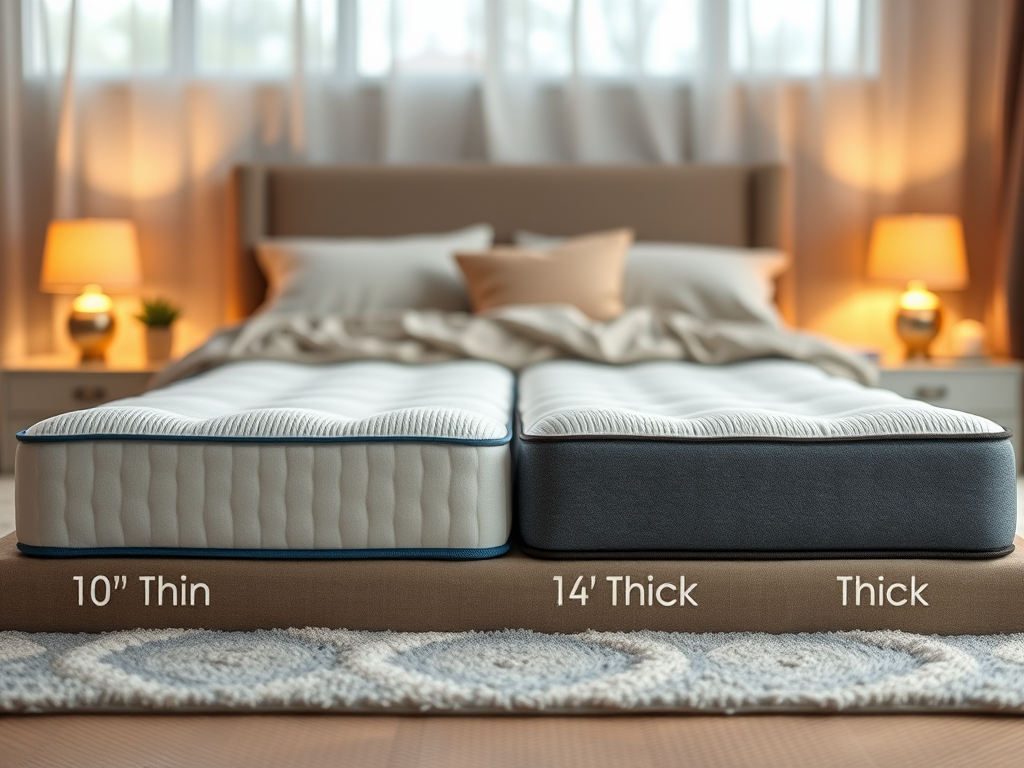
Have you ever wondered if your mattress is too thin or too thick? Getting the right mattress thickness isn’t just about comfort – it’s essential for proper support, durability, and overall sleep quality. As someone who’s helped countless customers find their perfect mattress at our North Myrtle Beach and Conway locations, I’ve learned that mattress thickness can make or break your sleep experience.

The ideal mattress thickness for adults typically ranges between 10 to 14 inches, but there’s much more to consider than just a number. Your body type, sleeping position, and personal preferences all play crucial roles in determining the best mattress height for you. Whether you’re a side sleeper needing extra cushioning or someone dealing with mobility issues, understanding mattress thickness can help you make an informed decision.
At Mattress Direct, we’ve noticed that many customers overlook mattress thickness when shopping, focusing solely on firmness levels. However, the right thickness can significantly impact your sleep quality, ease of getting in and out of bed, and even how well your mattress maintains its shape over time. Let me share my expertise to help you understand why thickness matters and how to choose the perfect mattress height for your needs.
Key Takeaways
- Optimal mattress thickness for adults ranges from 10 to 14 inches
- Different sleeping positions require varying mattress heights
- Body weight influences ideal mattress thickness selection
- Thicker mattresses generally offer better support and durability
- Mattress material affects the required thickness for optimal comfort
Understanding Mattress Thickness
When it comes to mattress thickness, there’s more to consider than what meets the eye. Having worked with various mattress brands like Tempur-Pedic’s premium collection, I’ve learned that thickness directly influences comfort, support, and longevity.
Think of mattress thickness as layers of comfort and support working together. Each layer serves a specific purpose, from the base support layer to the comfort layers on top. The combination of these layers creates the overall height of your mattress, which typically ranges from 8 to 16 inches for adult mattresses.
What is Mattress Thickness?
Mattress thickness refers to the total height of your mattress from the bottom to the top surface. Understanding the different thickness ranges helps you make an informed decision:
- Low-Profile (4-8 inches): Usually found in rollaway beds or bunk beds
- Standard Profile (8-12 inches): Common in guest rooms and everyday use
- Medium Profile (12-14 inches): Popular choice for master bedrooms
- High Profile (14-16+ inches): Luxury options with extra comfort layers
Why Thickness Matters
The thickness of your mattress directly impacts your sleep quality and comfort level. Based on my experience helping customers at Mattress Direct, I’ve seen how the right thickness can transform someone’s sleep experience.
“After switching from my old 8-inch mattress to a 12-inch Sealy Posturepedic, my back pain decreased significantly. The extra thickness made all the difference in support and comfort.” – Customer feedback from our Conway store
Thicker mattresses generally provide better pressure relief and support, especially for those with higher body weight or joint issues. They also tend to last longer since they have more material to maintain their shape and support over time. However, thicker isn’t always better – factors like room size, bed frame height, and mobility needs should all factor into your decision.
The material composition also plays a crucial role. For example, a 12-inch memory foam mattress might offer similar support to a 14-inch innerspring mattress due to the density and quality of materials used. This is why it’s important to consider both thickness and construction when choosing your ideal mattress.
Ideal Mattress Thickness for Different Sleeping Positions
Finding the right mattress thickness is essential for getting quality sleep, and your sleeping position plays a major role in determining the ideal height. I’ve helped many customers at Mattress Direct find their perfect mattress thickness based on how they sleep. When shopping for a new mattress, it’s important to consider that different sleeping positions require varying levels of support and cushioning.
Your preferred sleep position affects how your body weight is distributed across the mattress surface. This distribution pattern directly influences how much thickness you need for proper spinal alignment and pressure relief. At Mattress Direct, we offer a range of mattress options with different thicknesses to accommodate all sleeping styles.
For optimal comfort and support, most adult mattresses range between 10 to 14 inches in thickness. However, the ideal thickness can vary significantly depending on whether you’re a back, side, or stomach sleeper. Each position creates unique pressure points and support needs that the right mattress thickness can address.
A mattress that’s too thin might not provide enough cushioning for your pressure points, while one that’s too thick could throw your spine out of alignment. The key is finding that sweet spot where support and comfort meet perfectly for your sleeping style.
Back Sleepers
Back sleeping is often considered the healthiest sleeping position, as it helps maintain natural spinal alignment. For back sleepers, I typically recommend a mattress thickness between 10 to 12 inches to provide adequate support while keeping the spine neutral.
| Mattress Thickness | Support Level | Best For |
| 10 inches | Medium | Average weight back sleepers |
| 11-12 inches | Medium-firm | Heavier back sleepers |
| 12+ inches | Firm | Those with back pain |
The Sealy Posturepedic line offers excellent options for back sleepers, with their advanced support technology helping to maintain proper spinal alignment throughout the night. The thickness of these mattresses provides enough depth for the shoulders and hips to sink in slightly while supporting the lower back.
Side Sleepers and Stomach Sleepers
Side sleepers typically need thicker mattresses compared to back sleepers, usually between 12 to 14 inches. This extra thickness helps accommodate shoulder and hip pressure points while maintaining proper spinal alignment. The Tempur-Pedic collection offers excellent options for side sleepers, with their pressure-relieving memory foam providing the perfect combination of support and cushioning.
“As a side sleeper, I noticed an immediate difference when I switched to a 13-inch Tempur-Pedic mattress. The extra thickness really helps cushion my shoulders and hips while keeping my spine aligned.” – Customer Review, March 2026
Stomach sleepers, on the other hand, typically benefit from slightly thinner mattresses, around 10 inches, to prevent their midsection from sinking too deeply. This helps maintain proper spinal alignment and reduces strain on the lower back.
Factors Affecting Ideal Mattress Thickness
When helping customers at Mattress Direct find their perfect mattress, I consider several key factors that influence the ideal thickness. Body weight, height, and any specific health conditions all play crucial roles in determining the right mattress thickness. Our mattress comparison tool can help you narrow down your options based on these factors.
Body Type Considerations
Your body type significantly impacts the ideal mattress thickness for your needs. Here’s what I typically recommend based on different body types:
- Lightweight individuals (under 130 pounds) usually need 10-12 inches of thickness for adequate comfort and support
- Average weight individuals (130-230 pounds) typically do well with 12-13 inches of thickness
- Heavier individuals (over 230 pounds) often need 13-14 inches of thickness for proper support
- Tall individuals (over 6 feet) might prefer thicker mattresses of 12-14 inches for easier getting in and out of bed
Mattress Loft and Materials
The materials used in a mattress significantly impact its overall thickness and performance. Memory foam mattresses, like those in the Tempur-Pedic line, typically need more thickness to provide adequate support layers beneath the comfort layers. The Stearns & Foster collection combines premium materials with optimal thickness to deliver exceptional support and comfort.
Different materials compress differently under weight, which affects how thick the mattress should be. For instance, high-density memory foam might need less thickness than lower-density foams to provide the same level of support. The Carrington Chase line offers various thickness options with different material combinations to suit individual preferences and needs.
When considering mattress thickness, it’s important to look at both the overall height and the thickness of individual layers. The support core should make up about 50-70% of the total thickness, while comfort layers account for the remaining portion. This balance ensures proper support while maintaining comfort throughout the night.
Mattress Thickness and Sleep Quality
The thickness of your mattress plays a crucial role in how well you sleep each night. When I talk to customers at our North Myrtle Beach store, I often explain that mattress thickness isn’t just about looks – it directly impacts your comfort and support throughout the night. A quality mattress with proper thickness can help reduce tossing and turning, ease pressure points, and promote better spinal alignment.
I’ve noticed that customers who choose the right mattress thickness report better sleep quality, less morning stiffness, and improved overall rest. The right thickness helps maintain proper body temperature and provides adequate cushioning for your body’s natural curves.
The Connection Between Thickness and Comfort
Based on my experience helping customers find their perfect mattress, I’ve observed clear patterns between mattress thickness and comfort levels. Let me share this helpful breakdown:
| Thickness Range | Comfort Level | Best For |
| 6-8 inches | Basic Support | Guest rooms, children’s beds, lightweight adults |
| 10-12 inches | Standard Comfort | Average weight adults, most sleeping positions |
| 12-14 inches | Premium Comfort | Larger adults, side sleepers, couples |
| 14-16+ inches | Luxury Comfort | Those seeking maximum support and cushioning |
The thickness of your mattress affects several comfort factors:
- Weight distribution and pressure relief
- Edge support for getting in and out of bed
- Motion isolation for couples
- Temperature regulation throughout the night
- Overall durability and longevity
Mattress Height Recommendations
When recommending mattress heights to my customers, I consider several key factors. For most adults, I suggest a mattress thickness between 10-14 inches. This range typically provides the best balance of support and comfort while ensuring long-term durability.
Specific height recommendations based on common scenarios I encounter:
- For side sleepers: 12-14 inches to allow proper hip and shoulder cushioning
- For back sleepers: 10-12 inches to maintain proper spinal alignment
- For stomach sleepers: 10 inches to prevent over-arching of the back
- For couples: 12+ inches to minimize motion transfer
- For those with mobility issues: 12-14 inches for easier bed entry and exit
Popular brands like Sealy Posturepedic and Stearns & Foster offer various thickness options that align with these recommendations. The Tempur-Pedic models we carry at Mattress Direct provide excellent examples of how different thickness levels can suit various sleep needs while maintaining optimal support.
Choosing the Right Mattress at Local Stores

When it comes to selecting the perfect mattress thickness, nothing beats the hands-on experience of visiting a local mattress store. At Mattress Direct, we understand that feeling the comfort and support levels firsthand makes all the difference in finding your ideal mattress. Our showrooms feature a wide selection of mattresses from trusted brands like Sealy, Tempur-Pedic, and Stearns & Foster, each offering various thickness options to suit different needs.
Our experienced sleep specialists are ready to help you test different mattress heights and explain how each thickness level affects your sleep quality. We recommend spending at least 10-15 minutes lying on each mattress you’re considering, as this gives you a better sense of how the thickness and support work for your body type and sleeping position.
In our stores, you’ll find mattresses ranging from 8 inches to 14 inches in thickness, with some luxury models reaching up to 16 inches. This variety ensures that whether you prefer a low-profile bed or a higher mattress for easier getting in and out, we have options that match your preferences.
North Myrtle Beach and Conway SC Mattress Stores
Our North Myrtle Beach and Conway locations are strategically placed to serve the Grand Strand area, making it convenient for locals and visitors to find their perfect mattress. Both stores feature well-lit showrooms where you can easily examine mattress construction and thickness details.
“The showroom layout at Mattress Direct made it easy to compare different mattress heights side by side. The staff was incredibly helpful in explaining how thickness affects support and comfort.” – Sarah M., Conway SC
The North Myrtle Beach store, located in the heart of the coastal community, offers extended hours to accommodate busy schedules. Our Conway location provides the same excellent selection and service, making it easier for inland residents to access quality mattresses without traveling far.
Both stores maintain a diverse inventory of mattress thicknesses, including popular options from Sealy Posturepedic and Carrington Chase. Our sleep specialists at each location are trained to help you understand how different mattress heights can affect your sleep quality and overall comfort.
Mattress Shopping Tips
When shopping for a mattress with the right thickness, I recommend following these practical guidelines to make your experience more productive:
1. Wear comfortable clothes that allow you to lie down naturally
2. Test the mattress in your usual sleeping position
3. Pay attention to how easy it is to get in and out of beds with different heights
4. Consider your bed frame and headboard height when choosing mattress thickness
5. Ask about the relationship between mattress thickness and temperature regulation
6. Compare similar thickness levels across different brands
Remember to test the edge support of thicker mattresses, as this becomes more important with increased height. Also, consider your existing sheets and whether they’ll accommodate a mattress with different thickness than your current one.
Making the Final Decision on Mattress Thickness
Choosing the right mattress thickness is a personal decision that depends on various factors. At Mattress Direct, we’ve found that customers who take time to consider their specific needs often make the most satisfying choices. You might want to explore our Tempur-Pedic collection, which offers multiple thickness options with advanced comfort technologies.
Comfort vs. Support Balance
Finding the right balance between comfort and support is crucial when selecting mattress thickness. Here’s what you should keep in mind:
• Thicker mattresses (12-14 inches) often provide:
- Enhanced pressure relief for side sleepers
- Better motion isolation for couples
- Additional comfort layers for pain relief
• Medium-thickness mattresses (10-12 inches) typically offer:
- Balanced support for most sleeping positions
- Easier movement for combination sleepers
- Good temperature regulation
• Thinner mattresses (8-10 inches) usually provide:
- Firmer support for stomach sleepers
- Better stability for adjustable bases
- Easier bed-making and sheet fitting
Customer Reviews and Recommendations
Our customers’ experiences often provide valuable insights into choosing the right mattress thickness. Many report that thicker mattresses (13-16 inches) from brands like Stearns & Foster offer superior comfort for larger body types and side sleepers. Meanwhile, medium-thickness options from Sealy Posturepedic receive praise for their versatility and balanced support.
We encourage you to read reviews from customers with similar preferences and physical characteristics. These real-world experiences can help inform your decision. Our sleep specialists can also share feedback from other customers who’ve purchased mattresses in your preferred thickness range.
Remember that mattress thickness preferences often evolve with time and changing needs. That’s why we offer a comfort guarantee to ensure you’re completely satisfied with your choice. Visit either our North Myrtle Beach or Conway location to start your journey toward finding the perfect mattress thickness for your needs.
Finding Your Ideal Mattress Thickness for Better Sleep
After exploring the various aspects of mattress thickness, it’s clear that selecting the right mattress height is crucial for achieving optimal sleep quality. I’ve found through my experience in the mattress industry that the perfect thickness depends on several personal factors, including your sleeping position, body type, and comfort preferences.
The most important thing to remember is that there isn’t a one-size-fits-all solution when it comes to mattress thickness. While the average adult typically finds comfort in mattresses between 10 and 14 inches thick, your specific needs might differ. For example, if you’re dealing with mobility issues, a lower-profile mattress might be more practical, while those seeking extra comfort might prefer a higher-profile option.
When shopping for your next mattress, I recommend considering these key points about thickness:
- Support Layer Thickness: Look for mattresses with a substantial support core of at least 6-8 inches for long-lasting durability
- Comfort Layer Height: Consider 2-4 inches of comfort layers for adequate pressure relief
- Total Height: Ensure the overall thickness aligns with your bed frame and room aesthetics
Here at Mattress Direct in South Carolina, we understand that choosing the right mattress thickness can feel overwhelming. That’s why our showrooms in North Myrtle Beach and Conway feature a wide range of options from trusted brands like Sealy, Tempur-Pedic, and Stearns & Foster. Our sleep experts are ready to help you test different thicknesses and find your perfect match.
Remember that investing in the right mattress thickness isn’t just about comfort – it’s about investing in your health and well-being. A properly sized mattress can help reduce back pain, improve circulation, and promote better sleep quality. With options available 24/7 through our online store and expert guidance in our local showrooms, finding your ideal mattress thickness has never been easier.
Frequently Asked Questions
What is the minimum thickness recommended for an adult mattress?
For adults, I recommend a minimum thickness of 10 inches to ensure adequate support and comfort. However, some sleepers might find comfort in 8-inch mattresses.
How does mattress thickness affect sleep quality?
Mattress thickness directly impacts support, pressure relief, and comfort. The right thickness helps maintain proper spinal alignment and reduces pressure points, leading to better sleep quality.
Can mattress thickness affect temperature regulation?
Yes, thicker mattresses sometimes retain more heat due to additional layers. However, many modern materials like those used in Tempur-Pedic mattresses are designed with cooling technology regardless of thickness.
Should heavier individuals choose thicker mattresses?
Yes, I typically recommend mattresses 12-14 inches thick for individuals weighing over 230 pounds to ensure adequate support and prevent premature sagging.
How does mattress thickness impact edge support?
Thicker mattresses often provide better edge support, particularly those with reinforced perimeter construction like many Sealy Posturepedic models.
Does mattress thickness affect the need for a box spring?
While thickness itself doesn’t determine the need for a box spring, thicker mattresses might require low-profile box springs to maintain a comfortable bed height.
How often should I replace my mattress based on its thickness?
Regardless of thickness, most quality mattresses should last 7-10 years with proper care, though this can vary based on usage and materials.
What’s the ideal mattress thickness for couples?
For couples, I suggest mattresses between 12-14 inches thick to provide adequate motion isolation and support for both partners.
Does mattress thickness affect sheet fitting?
Yes, thicker mattresses require deep-pocket sheets. Standard sheets typically fit mattresses up to 14 inches, while extra-deep pockets are needed for thicker options.
How does thickness relate to mattress firmness?
Thickness and firmness are independent characteristics – you can find firm and soft options in various thickness levels.
Is a thicker mattress always better?
No, the best thickness depends on your individual needs. Sometimes, a medium-thickness mattress might provide better support than an extra-thick one.
Should side sleepers choose thicker mattresses?
Side sleepers often benefit from mattresses 12-14 inches thick to ensure adequate pressure relief for shoulders and hips.
How does mattress thickness affect mobility?
Thicker mattresses can make getting in and out of bed more challenging for some people, particularly seniors or those with mobility issues.
What thickness is best for adjustable beds?
For adjustable beds, I recommend mattresses between 10-12 inches thick to ensure proper flexibility while maintaining comfort.
Does climate affect the ideal mattress thickness?
While climate doesn’t directly impact ideal thickness, those in warmer areas like South Carolina might prefer mattresses with cooling features regardless of thickness.