Understanding Mattress Weight Limits and Durability
your sleep guide Sep 09, 2025
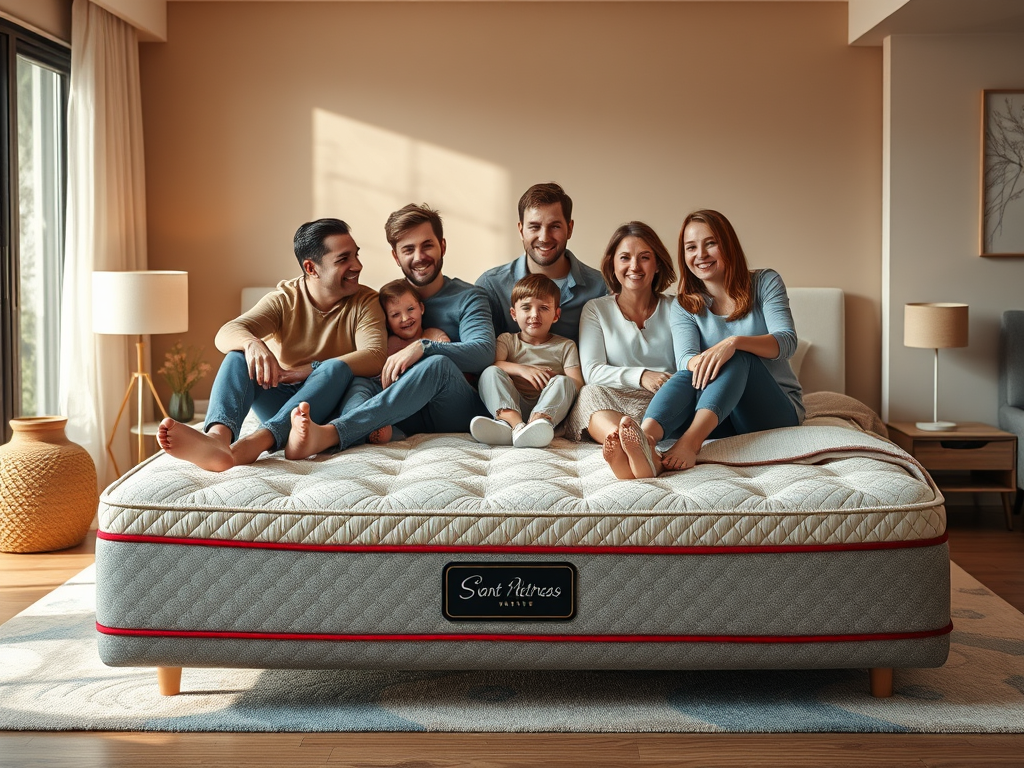
How to understand mattress weight limits | Have you ever wondered if your mattress can properly support you and your partner’s combined weight night after night? This question isn’t just about immediate comfort – it’s about long-term sleep quality and mattress longevity. As a mattress expert, I know that weight capacity is one of the most overlooked yet crucial factors when choosing a new mattress.

Every mattress is designed with specific weight limits in mind, and exceeding these limits can lead to premature sagging, reduced support, and a shortened lifespan of your investment. For heavy sleepers or couples, understanding these limits isn’t just helpful – it’s essential for making a smart purchase that will provide years of comfortable sleep.
In my years helping customers at Mattress Direct in South Carolina, I’ve seen how the right mattress can transform sleep quality for people of all sizes. The key is matching each person with a mattress that not only feels comfortable but can also properly support their weight over time. Whether you’re shopping for yourself or sharing your bed with a partner, weight capacity should be at the top of your consideration list.
Today’s mattress market offers more options than ever for heavy sleepers, with brands like Tempur-Pedic and Stearns & Foster leading the way in creating durable, high-weight capacity options. These manufacturers have developed specialized materials and construction techniques that provide exceptional support while maintaining comfort for years to come.
Key Takeaways
- Mattress weight limits typically range from 250 to 1,000 pounds per side
- Weight distribution affects mattress longevity and support
- Higher-density materials provide better durability for heavy sleepers
- Edge support is crucial for weight distribution and bed stability
- The right support system can extend mattress lifespan significantly
Understanding Mattress Weight Limits
A mattress weight limit is the maximum weight a mattress can support while maintaining its structural integrity and providing proper comfort and support. When shopping for a high-quality mattress that supports heavier weights, understanding these limits is essential for making an informed decision.
Most standard mattresses are designed to support between 250-500 pounds per side, or 500-1,000 pounds total for couples. However, this can vary significantly based on the mattress type, construction, and materials used. Premium brands like Tempur-Pedic and Stearns & Foster often offer higher weight capacities due to their superior materials and construction methods.
The weight limit isn’t just about preventing immediate damage – it’s about ensuring the mattress can provide proper support and maintain its shape over time. When a mattress regularly supports weight beyond its designed capacity, it can lead to:
– Faster deterioration of support materials
– Uneven wear patterns
– Reduced pressure point relief
– Compromised edge support
– Void warranty coverage
Maximum Weight Capacity for Mattresses

Understanding the maximum weight capacity for different mattress types helps you make an informed choice. Here’s a detailed breakdown of typical weight limits by mattress type:
- Memory Foam Mattresses: Traditional memory foam mattresses typically support 250-300 pounds per side. However, high-density options like those from Tempur-Pedic can support up to 400 pounds per side.
- Hybrid Mattresses: These combinations of springs and foam, like many Sealy Posturepedic models, often support 350-450 pounds per side.
- Traditional Innerspring: Quality innerspring mattresses can support 300-350 pounds per side.
- Luxury Firm Options: Premium models from Stearns & Foster can support up to 500 pounds per side.
Remember that these are general guidelines, and specific weight capacities can vary by model and manufacturer. Always check the manufacturer’s specifications for exact weight limits.
Importance of Weight Distribution
Weight distribution plays a vital role in mattress performance and longevity. Even the most durable mattress needs proper weight distribution to maintain its support and comfort levels over time.
“Proper weight distribution isn’t just about the total weight on the mattress – it’s about how that weight is spread across the surface. This directly impacts both comfort and mattress lifespan.”
When weight is distributed evenly, it helps prevent:
– Premature sagging in specific areas
– Uneven wear patterns
– Reduced support in high-pressure zones
– Compromised edge stability
For couples with significant weight differences, choosing a mattress with individually wrapped coils or dual comfort zones can help ensure proper support for both sleepers. This technology, found in many Sealy and Stearns & Foster models, allows each side of the mattress to respond independently to different weights and movements.
The key to optimal weight distribution lies in choosing the right combination of mattress materials and support systems. High-density foams and reinforced support layers help distribute weight more effectively, while strong edge support prevents the sides from collapsing under pressure.
Mattress Durability Factors for Heavy Sleepers
When it comes to finding the right mattress for heavy sleepers, durability is a crucial factor that can’t be overlooked. I’ve found that understanding what makes a mattress durable helps in making a smart investment that will last for years. The key is to focus on specific elements that contribute to a mattress’s ability to maintain its shape and support over time, especially under greater weight pressure.
One of the most important aspects I consider when evaluating mattress durability is the density of the materials used. High-density foam mattresses typically offer better longevity and support for heavier individuals. These mattresses are specifically engineered to prevent sagging and maintain their shape even with regular use by people weighing over 230 pounds.
The construction method also plays a vital role in determining how well a mattress will hold up over time. I’ve noticed that mattresses with reinforced edges and multiple support layers tend to perform better for heavy sleepers. The layering system should include progressively firmer materials from top to bottom, creating a solid foundation that prevents bottoming out.
Another crucial durability factor is the coil count and gauge in innerspring and hybrid mattresses. For heavy sleepers, mattresses with a higher coil count and lower gauge numbers (meaning thicker coils) provide better support and typically last longer. These stronger coils help distribute weight more evenly and resist compression over time.
The quality of the materials used in construction directly impacts the mattress’s weight capacity and longevity. Premium materials like high-grade memory foam, natural latex, and tempered steel coils often come with better warranties and show less wear over time. This is particularly important for heavy sleepers who need their mattress to maintain its supportive properties.
Mattress Firmness: Finding the Right Balance
Finding the perfect firmness level is essential for heavy sleepers, as it directly affects both comfort and support. I recommend focusing on medium-firm to firm options, as these provide the necessary support while preventing excessive sinking.
| Weight Range (lbs) | Recommended Firmness | Benefits |
| 230-275 | Medium-Firm | Balance of comfort and support, minimal sinking |
| 275-350 | Firm | Enhanced support, better spinal alignment |
| 350+ | Extra Firm | Maximum support, improved durability |
The right firmness level helps maintain proper spinal alignment while sleeping. For heavy sleepers, a mattress that’s too soft can lead to excessive sinking, which may cause back pain and discomfort. On the other hand, an extremely firm mattress might create pressure points, especially for side sleepers.
When testing firmness levels, I suggest lying in your usual sleep position for at least 10-15 minutes. Pay attention to how well the mattress supports your body’s natural curves while maintaining comfort. The ideal firmness should allow your body to sink slightly while keeping your spine properly aligned.
Material Matters: Durable Mattress Construction
The materials used in mattress construction significantly impact its durability and performance for heavy sleepers. High-quality materials ensure better weight distribution and longer-lasting support.
“The difference between a standard mattress and one designed for heavy sleepers often comes down to the quality and density of materials used in construction.” – Mattress Industry Expert
I’ve found that hybrid mattresses combining high-density foam with strong coil systems often provide the best results for heavy sleepers. The foam layers offer pressure relief and comfort, while the coils provide the necessary support and durability.
Natural latex is another excellent material choice, as it’s inherently durable and resistant to compression. It maintains its shape and support properties longer than traditional foam materials, making it ideal for heavy sleepers who need consistent support.
Best Mattresses for Heavy Individuals
When helping heavy individuals find their perfect mattress, I always emphasize the importance of choosing options specifically designed for higher weight capacities. Stearns & Foster mattresses are particularly well-suited for heavy sleepers, offering superior support and durability.
The best mattresses for heavy individuals typically feature reinforced construction methods and premium materials. These mattresses are engineered to provide adequate support while maintaining comfort, ensuring a good night’s sleep without compromising the mattress’s structural integrity.
Features to Look For in Mattresses for Large Individuals
When shopping for a mattress as a heavy individual, certain features are essential for ensuring both comfort and longevity. Here are the key elements to consider:
- Enhanced Edge Support: Reinforced perimeter construction prevents sagging and provides stable support when sitting or sleeping near the edge
- Multi-Layer Construction: Multiple layers of high-density materials provide progressive support and prevent bottoming out
- Temperature Regulation: Advanced cooling technologies help manage heat retention, especially important for heavy sleepers
- Pressure Relief Systems: Specialized comfort layers that maintain effectiveness under higher weights
- Heavy-Duty Foundation Support: Robust base layers that maintain structural integrity over time
Mattress Brands Specializing in Heavy-Duty Options
Several trusted brands at Mattress Direct excel in creating mattresses suitable for heavy individuals. Sealy Posturepedic offers excellent support systems specifically designed for higher weight capacities, while Tempur-Pedic provides premium memory foam options that maintain their support properties under greater weight.
The Stearns & Foster collection stands out for its use of premium materials and construction techniques that cater to heavy sleepers. These mattresses feature advanced coil systems and high-density comfort layers that provide exceptional support and durability.
Carrington Chase also offers several models with enhanced weight capacity and support features, making them excellent choices for heavy individuals seeking reliable, long-lasting comfort.
Durable Bed Options and Support Systems
When it comes to supporting heavier sleepers, the right bed setup is just as important as choosing the right mattress. I want to help you understand how a proper support system can make a huge difference in your sleep quality and mattress longevity. Many people focus solely on the mattress itself, but the foundation underneath plays a crucial role in maintaining proper support and preventing premature wear.
A quality support system helps distribute weight evenly across the mattress surface, which is especially important for heavy sleepers. Our selection of mattress foundations includes options specifically designed to handle higher weight capacities while maintaining structural integrity over time.
The right support system should work in harmony with your mattress to provide optimal comfort and durability. For instance, a Tempur-Pedic mattress paired with its matching foundation creates a complete sleep system that’s engineered to work together, maximizing both comfort and longevity.
Bed Types: Selecting the Right Support
Different bed types offer varying levels of support for heavy sleepers. Let’s look at the most common options and their weight-bearing capabilities:
| Support Type | Weight Capacity | Best For |
| Platform Beds | 1000+ lbs | All mattress types, excellent stability |
| Box Spring | 500-800 lbs | Traditional innerspring mattresses |
| Slatted Base | 600-900 lbs | Memory foam, latex mattresses |
| Metal Frame | 800-1200 lbs | Heavy-duty support, all mattress types |
When selecting a bed base, consider these important factors:
- Center Support: Essential for queen size and larger mattresses to prevent sagging
- Leg Configuration: More legs generally mean better weight distribution
- Material Quality: Steel frames typically offer better support than wooden ones
- Slat Spacing: Gaps should be no more than 3 inches apart for optimal support
Adjustable Bed Weight Limits: What to Know
Adjustable beds are becoming increasingly popular, but it’s crucial to understand their weight limitations. Most quality adjustable bases, like those from Sealy and Tempur-Pedic, can support between 650 to 850 pounds, including both the mattress and sleepers. However, this capacity can vary significantly between models and manufacturers.
For heavy sleepers interested in adjustable bases, I recommend looking for features like:
- Reinforced Frame Construction: Heavy-duty steel components that can handle more weight
- Multiple Support Motors: Better weight distribution when adjusting positions
- Wall-Hugging Technology: Keeps the bed stable during position changes
- Enhanced Warranty Coverage: Protection for the mechanical components
Remember that exceeding an adjustable bed’s weight limit can lead to motor strain, reduced functionality, and potential safety issues. It’s always better to choose a base with a higher weight capacity than you think you’ll need to ensure long-term reliability and peace of mind.
Choosing a Mattress: Essential Considerations
When it comes to selecting a mattress that can support higher weights, there are several key factors to keep in mind. I always recommend starting with the basics – understanding your specific needs and sleep preferences. A quality firm mattress is essential for providing the right support for heavier body types.
Weight capacity should be your first consideration. Most standard mattresses are designed to support between 250-300 pounds per side, but some specialty models can handle up to 500 pounds per side. For couples, remember to account for your combined weight when choosing a mattress.
The foundation of your mattress is equally important. A sturdy base helps distribute weight evenly and prevents premature sagging. Box springs, platform beds, and adjustable bases all have different weight capacities, so match these with your mattress choice.
Material quality makes a big difference in long-term satisfaction. High-density foams and reinforced coil systems, like those found in Stearns & Foster mattresses, provide excellent support for heavier sleepers. The Tempur-Pedic line offers specialized memory foam that maintains its shape and support even under higher weights.
Consider the mattress height as well. Thicker mattresses (12-14 inches) typically offer better support and durability for higher weights. They also make it easier to get in and out of bed, which can be a practical concern for some sleepers.
Mattress Buying Guide for Heavier Body Types
When shopping for a mattress as a heavier individual, I recommend following a systematic approach to ensure you find the perfect match. Start by testing the mattress’s firmness level – what feels firm to an average-weight person might feel medium to a heavier person.
“The right mattress should maintain proper spinal alignment while providing pressure relief. For heavier sleepers, this often means choosing a firmer mattress that won’t compress too much under weight.”
Focus on mattresses with reinforced edges. Strong edge support prevents the feeling of rolling off and makes sitting on the bed’s edge more comfortable. Sealy Posturepedic mattresses are known for their excellent edge support systems.
Temperature regulation becomes even more important for larger individuals. Look for mattresses with cooling features like gel-infused foam or breathable coil systems. The Carrington Chase collection offers excellent airflow properties that help maintain a comfortable sleep temperature.
Common Mistakes to Avoid When Buying a Mattress
One common mistake is choosing a mattress based solely on price rather than support needs. While budget matters, investing in a high-quality mattress that properly supports your weight will save money in the long run by lasting longer and providing better sleep.
Another error is not considering the warranty terms carefully. Some warranties become void if the mattress is used with an incompatible foundation or if the user exceeds the recommended weight limit. Always read the fine print and ask questions about warranty coverage.
Many shoppers also make the mistake of not testing the mattress thoroughly. I always suggest lying on a mattress for at least 15 minutes in your usual sleep position. This gives you a better sense of how the mattress will perform over time.
Mattress Support Systems: Finding the Best Fit
A proper support system is crucial for maximizing your mattress’s lifespan and performance. The right foundation can make a significant difference in comfort and durability. Quality adjustable bases offer customizable support options that can enhance your sleep experience.
Integrating Support Systems with Mattress Selection
When choosing a support system for your mattress, several factors need careful consideration:
- Foundation Type: Platform beds offer solid support for heavy-duty mattresses
- Frame Material: Steel frames typically provide better support than wooden ones
- Center Support: Additional legs in the middle of the frame prevent sagging
- Height Options: Adjustable heights can make getting in and out of bed easier
- Weight Distribution: Even support across the entire mattress surface is essential
Local Resources for Mattress Support in South Carolina
Here in South Carolina, particularly in the Grand Strand area, you’ll find excellent resources for mattress support systems. Our Mattress Direct locations in North Myrtle Beach and Conway offer expert guidance on matching the right support system to your mattress choice.
Our stores feature a wide selection of support options from trusted brands like Sealy and Tempur-Pedic. We understand the unique needs of our local community and offer personalized recommendations based on individual requirements. Our 24-hour online store also provides detailed information about support systems and their compatibility with different mattress types.
Visit our showroom to test various support systems and mattress combinations in person. Our knowledgeable staff can demonstrate how different support options work with your chosen mattress and explain the benefits of each system for your specific needs.
Selecting the Right Mattress for Lasting Comfort and Support
Finding the perfect mattress that meets your weight requirements while providing lasting comfort and support doesn’t have to be complicated. Throughout this guide, we’ve discussed the key factors that make a mattress suitable for heavier individuals, from weight limits and durability to material construction and support systems.
Let’s remember that weight capacity isn’t just about the maximum load a mattress can handle – it’s about maintaining comfort, support, and longevity over time. When shopping for a mattress, consider these essential points we’ve covered:
- Material quality matters – High-density foams and reinforced support systems in brands like Tempur-Pedic and Stearns & Foster provide excellent durability for heavy sleepers
- Weight distribution is key – Even weight distribution helps prevent premature sagging and extends mattress life
- Support systems count – The right foundation or adjustable base can enhance your mattress’s performance and longevity
At Mattress Direct in South Carolina, we understand that choosing the right mattress is a personal decision. Our showrooms in North Myrtle Beach and Conway feature a wide selection of premium mattresses designed for heavy sleepers, including trusted brands like Sealy Posturepedic and Carrington Chase.
Remember that investing in a quality mattress that properly supports your weight isn’t just about comfort – it’s about your health and well-being. A mattress that maintains its shape and support can help prevent back pain, improve sleep quality, and provide the restful night’s sleep you need.
Whether you’re shopping online or visiting our stores, our team is ready to help you find the perfect mattress that matches your weight requirements and comfort preferences. We invite you to experience our selection firsthand and test out different options to find your ideal match.
Frequently Asked Questions
What is the typical weight limit for a standard mattress?
Most standard mattresses have a weight capacity between 250-500 pounds per side. However, specific limits vary by brand and model, with some specially designed mattresses supporting up to 1,000 pounds total.
How can I tell if a mattress is truly suitable for heavy sleepers?
Look for features like high-density foam, reinforced edge support, thick comfort layers, and strong internal support systems. Quality brands like Stearns & Foster and Tempur-Pedic often include these features.
Does mattress thickness affect weight capacity?
Yes, thicker mattresses typically offer better weight support. For heavy sleepers, mattresses between 12-14 inches thick usually provide optimal support and durability.
How often should heavy individuals replace their mattress?
While most mattresses last 7-10 years, heavy individuals might need to replace their mattress every 5-7 years, depending on the mattress quality and how well it’s maintained.
Are firm mattresses always better for heavy sleepers?
Not necessarily. While firmer mattresses often provide better support, the ideal firmness depends on your sleeping position and personal comfort preferences.
What type of foundation works best for heavy sleepers?
A solid platform bed or heavy-duty box spring provides the best support. Make sure the foundation is rated for the combined weight of the mattress and sleepers.
Can an adjustable base support a heavy mattress?
Quality adjustable bases are designed to support heavy mattresses, but check the weight capacity specifications before purchasing.
What causes mattresses to sag prematurely?
Poor weight distribution, inadequate support systems, low-quality materials, and exceeding weight capacity can all lead to premature sagging.
Are hybrid mattresses good for heavy sleepers?
Yes, hybrid mattresses often combine the benefits of innerspring support with comfort layers, making them excellent choices for heavy sleepers.
How important is edge support for heavy individuals?
Very important – strong edge support prevents sagging when sitting on the bed’s edge and makes it easier to get in and out of bed.
What’s the best way to test a mattress for weight support?
Lie on the mattress in your typical sleeping position for at least 15 minutes, paying attention to pressure points and support levels.
Do memory foam mattresses work well for heavy sleepers?
High-density memory foam mattresses can work well, but they should have adequate support layers and cooling features.
How does weight affect mattress temperature?
Heavier individuals often sink deeper into mattresses, which can trap more heat. Look for mattresses with cooling technologies and breathable materials.
What warranty considerations should heavy sleepers keep in mind?
Check if the warranty covers the intended weight capacity and what type of foundation is required to maintain warranty coverage.
How can I extend the life of my mattress as a heavy sleeper?
Rotate the mattress regularly, use a quality mattress protector, ensure proper support, and avoid exceeding the weight capacity.