How to Clean Your Mattress
your sleep guide Sep 30, 2025
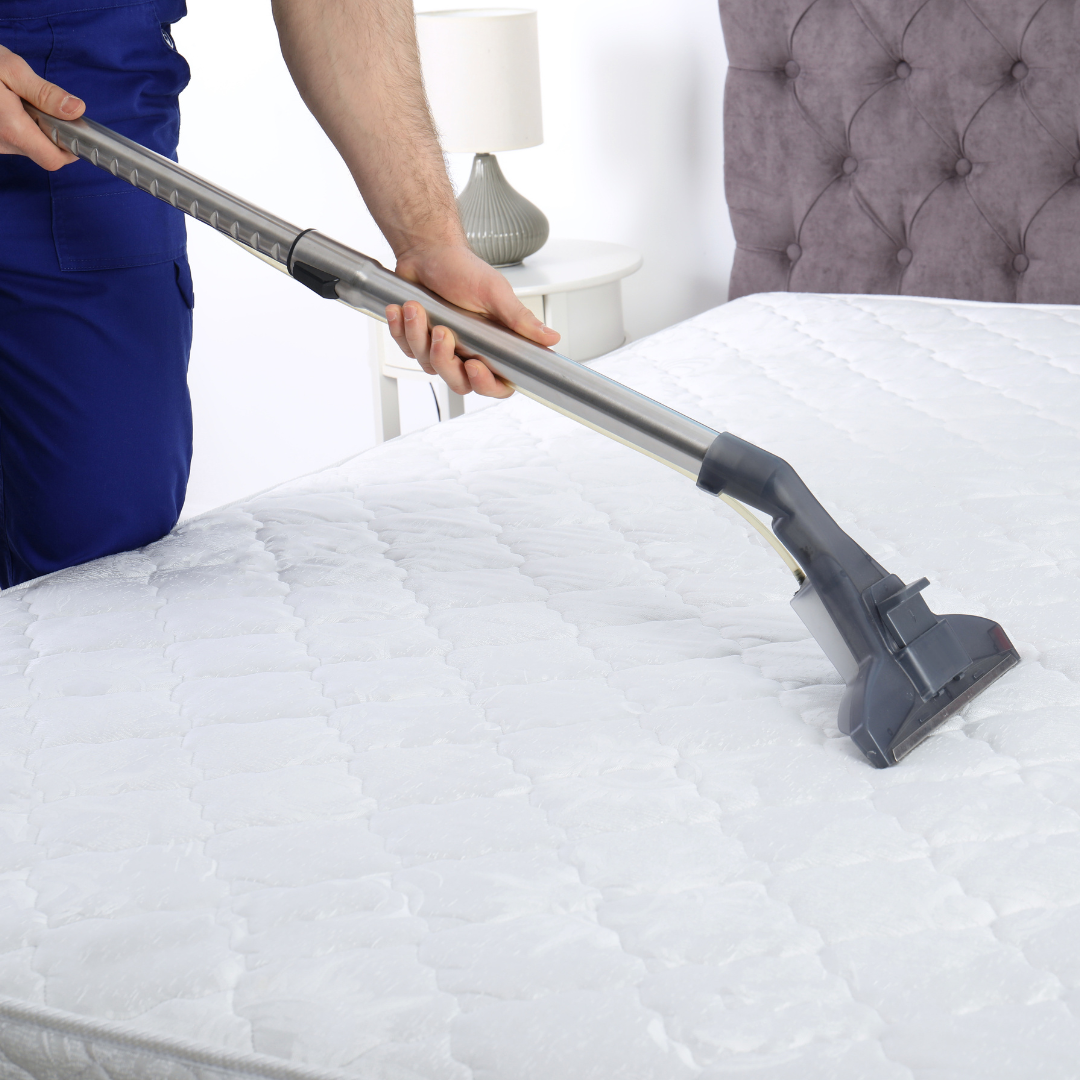
Have you ever wondered what’s really living in your mattress right now? Every night, we spend about 8 hours in close contact with our mattresses, but many of us rarely think about what builds up inside them over time. From dead skin cells and dust mites to sweat and other bodily fluids, your mattress could be harboring more than just sweet dreams. I’m going to show you exactly how to tackle this often-overlooked cleaning task and help you create a healthier sleeping environment.

Regular mattress cleaning is more than just a quick vacuum – it’s an essential part of maintaining good sleep hygiene and protecting your investment. As someone who has spent years helping customers find their perfect mattress at Mattress Direct in North Myrtle Beach, I’ve learned that a clean mattress can make a significant difference in both sleep quality and mattress longevity.
Keeping your mattress clean doesn’t have to be complicated or time-consuming. Whether you’re dealing with everyday dust and allergens or tackling tough stains, I’ll guide you through proven cleaning methods that work. From basic maintenance to deep cleaning techniques, you’ll learn how to keep your mattress in top condition using simple household items and professional-grade solutions.
In this comprehensive guide, I’ll share expert tips on everything from removing stubborn stains to preventing future problems with proper mattress protection. You’ll discover why regular cleaning is crucial for your health and how it can extend your mattress’s lifespan, saving you money in the long run.
Key Takeaways
- Regular mattress cleaning extends its lifespan and improves sleep quality
- A clean mattress reduces allergens and dust mites for better health
- Simple household items can effectively clean most mattress stains
- Professional cleaning services offer deep cleaning benefits
- Using a mattress protector prevents future stains and damage
The Importance of Cleaning Your Mattress
Your mattress is one of the most used items in your home, yet it’s often the most neglected when it comes to cleaning. Think about it – while we regularly wash our sheets and pillowcases, the mattress underneath often goes untouched for months or even years. This oversight can lead to a build-up of various substances that can affect both your health and sleep quality.
When you consider that the average person spends about one-third of their life in bed, maintaining a clean mattress becomes even more crucial. Every night, your body sheds thousands of dead skin cells, and your mattress absorbs sweat, oils, and other bodily fluids. These create an ideal environment for dust mites, bacteria, and other microorganisms to thrive.
A clean mattress isn’t just about hygiene – it’s about protecting your investment too. A quality premium mattress from Mattress Direct is designed to last for years, but proper maintenance is key to achieving its full lifespan. Regular cleaning helps prevent the breakdown of materials and maintains the structural integrity of your mattress.
Health Benefits of a Clean Mattress
Maintaining a clean mattress is crucial for your health and well-being. Here’s why regular mattress cleaning should be a priority in your household maintenance routine:
- Reduces Allergies: Regular cleaning removes common allergens like dust mites, pet dander, and pollen
- Prevents Respiratory Issues: Clean mattresses help reduce asthma symptoms and breathing difficulties
- Improves Sleep Quality: A clean, fresh-smelling mattress promotes better sleep
- Eliminates Skin Irritations: Removing bacteria and allergens helps prevent skin problems
- Enhances Indoor Air Quality: Clean mattresses contribute to better overall air quality in your bedroom
Beyond these immediate benefits, a clean mattress also helps prevent the growth of harmful bacteria and fungi that can cause various health issues. Regular cleaning removes these potential threats, creating a healthier sleeping environment for you and your family.
Extending the Lifespan of Your Mattress
Proper cleaning and maintenance can significantly extend your mattress’s life expectancy. Regular care prevents the accumulation of debris that can break down mattress materials over time. It’s not just about cleanliness – it’s about protecting your investment.
“A well-maintained mattress can last 1-2 years longer than one that’s neglected. That’s significant savings when you consider the cost of a quality mattress.” – Mattress Direct Sleep Expert
One of the most effective ways to protect your mattress is through preventive care. Using mattress protectors, rotating your mattress regularly, and addressing spills immediately can help maintain its quality. These simple steps, combined with regular cleaning, can help your mattress maintain its shape, support, and comfort for years to come.
Remember that different types of mattresses require different cleaning approaches. For example, memory foam mattresses need gentle cleaning methods to avoid damaging the foam, while traditional innerspring mattresses can handle more vigorous cleaning techniques. Understanding your mattress type and following appropriate cleaning methods will help ensure its longevity.
Best Ways to Clean Your Mattress

Taking good care of your mattress is essential for maintaining its quality and ensuring a healthy sleep environment. I recommend starting with regular cleaning sessions every 3-6 months, depending on your lifestyle and needs. One of the most effective ways to clean your mattress begins with using a quality mattress protector to prevent stains and dirt from reaching the mattress surface in the first place.
The best cleaning methods combine vacuuming, spot cleaning, and deodorizing. Start by removing all bedding and using your vacuum’s upholstery attachment to thoroughly clean the entire surface, paying special attention to seams and crevices where dust and debris collect. This step removes loose dirt, dead skin cells, and dust mites that can trigger allergies.
For a deeper clean, sprinkle baking soda across the entire mattress surface and let it sit for several hours or overnight. Baking soda naturally absorbs moisture and odors, leaving your mattress fresh. After the waiting period, vacuum the baking soda thoroughly. This method is particularly effective for memory foam mattresses like those from Tempur-Pedic, which require gentle cleaning methods.
If you notice any stains, spot cleaning is your next step. Use a mixture of mild detergent and warm water, applying it gently with a clean cloth. Avoid saturating the mattress, as excess moisture can lead to mold growth. For tougher stains, consider using specialized mattress cleaning products designed for your specific mattress type.
Step-by-Step Instructions for Cleaning a Mattress
| Cleaning Step | Time Required | Materials Needed |
| Strip the bed | 5 minutes | None |
| Vacuum surface | 15 minutes | Vacuum with attachments |
| Apply baking soda | 6-8 hours | Baking soda |
| Spot clean stains | 20-30 minutes | Cleaning solution, cloth |
| Final vacuum | 15 minutes | Vacuum with attachments |
Follow these detailed steps for the most effective clean:
1. Remove all bedding and wash it in hot water to kill dust mites
2. Vacuum the entire mattress surface thoroughly
3. Spot clean any visible stains
4. Sprinkle baking soda and let it sit
5. Vacuum again completely
6. Allow the mattress to air out before making the bed
DIY Mattress Cleaning Solutions
“Using natural cleaning solutions not only saves money but also helps protect your mattress from harsh chemicals that could damage the materials” – Mattress Care Expert
I’ve found several effective DIY cleaning solutions that work well for different types of mattresses. For general cleaning, mix equal parts water and white vinegar in a spray bottle. This solution helps kill bacteria and remove light stains. For memory foam mattresses, like those from Sealy Posturepedic, use a gentler mixture of mild dish soap and warm water.
Here’s my favorite natural deodorizing mixture: Combine 1 cup of baking soda with 5-7 drops of your favorite essential oil. This creates a powerful yet natural freshening powder that’s safe for all mattress types. Lavender oil works particularly well as it has natural antibacterial properties and promotes relaxation.
Removing Stains and Odors from Your Mattress
Dealing with stains and odors requires specific techniques depending on the type of stain and your mattress material. For the best results with tough stains, I recommend using specialized cleaning products designed for your specific mattress type.
How to Remove Mattress Stains
- Fresh stains: Blot immediately with a clean, dry cloth to absorb excess liquid
- Protein-based stains: Use an enzyme cleaner specifically designed for mattresses
- Sweat stains: Mix equal parts water and white vinegar, apply lightly
- Blood stains: Use cold water and hydrogen peroxide solution
- Urine stains: Combine equal parts white vinegar and water, followed by baking soda
Deodorizing Your Mattress
Regular deodorizing helps maintain a fresh sleeping environment. I start by sprinkling baking soda mixed with a few drops of essential oils across the entire mattress surface. Let this mixture sit for at least 6-8 hours or overnight if possible. The baking soda absorbs odors while the essential oils add a pleasant scent.
For persistent odors, try creating a vinegar spray solution. Mix equal parts water and white vinegar in a spray bottle, lightly mist the mattress surface, and allow it to air dry completely. This natural solution helps neutralize odors without leaving behind any harsh chemical smells. Remember to always test any cleaning solution on a small, hidden area first to ensure it won’t damage your mattress material.
Professional Mattress Cleaning Services
While regular DIY mattress cleaning is important, sometimes you need the expertise of professional mattress cleaning services to maintain optimal mattress hygiene. Professional cleaners use specialized equipment and techniques that go beyond what’s possible with household cleaning methods. I always recommend professional cleaning at least once a year, especially if you have allergies or respiratory issues.
Professional mattress cleaning services use industrial-grade equipment like hot water extraction machines, UV-C light sanitizers, and HEPA filtration systems. These tools can remove up to 99% of allergens, dust mites, and other microscopic particles that build up in your mattress over time. They also have access to professional-grade cleaning solutions that are both effective and safe for your mattress material.
One of the biggest advantages of professional cleaning is the deep cleaning capabilities. Professional mattress cleaning services can reach deep within the mattress layers, removing contaminants that regular vacuum cleaners can’t reach. This is particularly important for high-end mattresses like Tempur-Pedic and Stearns & Foster, which require specific care to maintain their unique properties and warranty coverage.
Professional cleaners are also trained to identify potential issues with your mattress, such as early signs of bed bugs, mold growth, or structural problems. They can provide valuable advice on mattress maintenance and recommend appropriate solutions to extend your mattress’s lifespan.
Benefits of Professional Mattress Cleaning
When considering professional mattress cleaning services, it’s important to understand the full range of benefits they offer. Here’s a detailed comparison of professional cleaning benefits versus regular home cleaning:
| Cleaning Aspect | Professional Cleaning | Regular Home Cleaning |
| Cleaning Depth | Deep penetration into all layers | Surface level cleaning only |
| Allergen Removal | Up to 99% removal rate | 30-50% removal rate |
| Stain Treatment | Professional-grade solutions | Limited to household products |
| Drying Time | 4-6 hours with professional equipment | 12-24 hours air drying |
Professional mattress cleaning offers several key benefits:
- Elimination of dust mites and allergens that can trigger allergies and asthma
- Removal of deep-set stains and odors
- Sanitization using EPA-approved products
- Extension of mattress lifespan through proper care
- Maintenance of warranty requirements for premium brands
Finding Mattress Cleaning Services in North Myrtle Beach and Conway
In the North Myrtle Beach and Conway areas, you’ll find several reliable professional mattress cleaning services. When choosing a service provider, I recommend looking for companies that are certified and experienced in cleaning specific mattress types, especially if you own a premium mattress like Sealy Posturepedic or Tempur-Pedic.
Local cleaning services understand our coastal climate’s unique challenges, including higher humidity levels that can affect mattress care. They typically offer both in-home cleaning services and facility-based deep cleaning options. Many local providers also offer same-day service and emergency cleaning for urgent situations.
When selecting a service provider, ask about their cleaning methods and ensure they use appropriate techniques for your specific mattress type. For example, memory foam mattresses require different cleaning approaches than traditional innerspring mattresses. Most reputable services in our area offer free consultations and detailed quotes before beginning work.
Look for companies that provide comprehensive services including:
- Pre-inspection and assessment of your mattress
- Customized cleaning plans based on mattress type and condition
- Written guarantees or warranties on their work
- Flexible scheduling options
- Emergency services for urgent cleaning needs
Mattress Care Tips for Longevity
Taking good care of your mattress is essential for getting the most out of your investment. I know that a quality mattress like a Sealy mattress can last many years with proper maintenance. Regular care not only extends the life of your mattress but also helps maintain its comfort and support levels.
The key to mattress longevity starts with daily habits. Making your bed each morning allows your mattress to breathe and prevents moisture buildup. I recommend pulling back your covers for about 20 minutes each morning to let any nighttime moisture evaporate before making the bed.
Rotating your mattress is another critical care tip. For most mattresses, I suggest rotating them 180 degrees every 3-4 months. This helps distribute wear evenly across the surface and prevents body impressions from forming in one spot. However, some specialized mattresses like Tempur-Pedic may have specific rotation recommendations, so always check your manufacturer’s guidelines.
Proper support is crucial for mattress care. Your mattress needs a solid foundation or box spring that’s in good condition. Check the support system every few months for signs of wear, broken slats, or sagging. A compromised foundation can lead to premature mattress wear and might even void your warranty.
Temperature and humidity control play a big role in mattress care. Keep your bedroom between 65-75°F with humidity levels around 50%. Extreme temperatures and moisture can affect the materials in your mattress, potentially leading to deterioration or mold growth.
The Role of Mattress Protectors
A quality mattress protector is your first line of defense against wear and tear. It’s not just about protecting against spills and stains – it’s about preserving your mattress’s integrity and maintaining a healthy sleep environment.
“Using a mattress protector is like insurance for your mattress – it’s a small investment that can save you from costly damage and extend the life of your mattress significantly.”
I always recommend waterproof mattress protectors that are also breathable. These protect against accidents, sweat, and spills while allowing air circulation. Look for protectors with natural materials that won’t make noise or affect the feel of your mattress.
Washing your mattress protector regularly is crucial. I suggest washing it every 1-2 months in warm water with mild detergent. This helps remove accumulated dust, skin cells, and allergens that can seep through to your mattress over time.
Routine Mattress Maintenance Tips
Regular maintenance keeps your mattress in top condition. I recommend vacuuming your mattress surface monthly using the upholstery attachment. Pay special attention to seams and crevices where dust and debris collect.
Spot cleaning should be done immediately when spills occur. Use a clean, damp cloth with mild soap, and avoid saturating the mattress. Always let the area dry completely before putting sheets back on.
Sunlight can be a natural disinfectant, but direct sunlight can damage mattress materials. If you want to air out your mattress, do so in indirect sunlight for a short period. This can help kill bacteria and remove odors naturally.
Keep pets off your mattress when possible. While we love our furry friends, their oils, dander, and occasional accidents can significantly impact mattress longevity. Consider getting them their own bed nearby instead.
Eco-Friendly Mattress Cleaning Options
More people are choosing environmentally conscious cleaning methods for their mattresses. I’ve found that natural cleaning solutions can be just as effective as chemical cleaners while being safer for both you and the environment. When shopping for eco-friendly cleaning supplies, consider visiting our selection of green cleaning products.
Eco-Friendly Mattress Cleaning Products
Natural cleaning solutions can effectively clean and freshen your mattress without harsh chemicals. Here are some eco-friendly options I recommend:
- Baking soda and essential oils – Mix these for natural deodorizing
- White vinegar solution – Diluted vinegar works great for spot cleaning
- Hydrogen peroxide and dish soap mixture – Effective for organic stains
- Cornstarch – Helps absorb oils and moisture
- Enzyme cleaners – Natural options for breaking down protein-based stains
Sustainable Mattress Maintenance Practices
Sustainable mattress care goes beyond just using eco-friendly products. I recommend using washable, reusable cleaning cloths instead of disposable wipes. When cleaning, use minimal water to prevent excess moisture, which can lead to mold growth.
Consider using natural fabric fresheners made with essential oils instead of chemical sprays. A mix of lavender and tea tree oil not only smells great but also has natural antimicrobial properties. Always test any cleaning solution on a small, hidden area first to ensure it won’t damage your mattress.
Regular maintenance using these sustainable practices not only helps the environment but also creates a healthier sleeping environment. Remember that prevention is key – using organic sheets and pillowcases can reduce the need for intense cleaning sessions.
Ensure a Clean and Healthy Sleeping Environment
A clean mattress is more than just a nice-to-have – it’s essential for your health and comfort. Throughout this guide, we’ve explored various methods and techniques for keeping your mattress in top condition. From regular maintenance to deep cleaning solutions, you now have the knowledge to maintain a fresh and hygienic sleep environment.
Remember that mattress cleaning doesn’t have to be complicated or expensive. Simple household items like baking soda and vinegar can work wonders, while a good quality mattress protector can prevent many issues before they start. By following the cleaning steps we’ve outlined and establishing a regular maintenance schedule, you can significantly extend your mattress’s life while ensuring it remains a healthy place to rest.
For those living in the North Myrtle Beach and Conway areas, Mattress Direct offers excellent options for both new mattresses and mattress care products. We understand that every sleeper has unique needs, which is why we provide personalized advice on mattress maintenance and care.
The investment in proper mattress care pays off in multiple ways. You’ll sleep better on a clean mattress, experience fewer allergy symptoms, and protect your investment for years to come. Whether you choose to handle the cleaning yourself or opt for professional services, the important thing is to make mattress maintenance a regular part of your home care routine.
Remember that different mattress types may require specific care approaches. For instance, memory foam mattresses need gentle cleaning methods, while traditional innerspring mattresses can handle more thorough cleaning techniques. When in doubt, always consult your mattress manufacturer’s care instructions or reach out to mattress care professionals.
By maintaining a clean mattress, you’re not just caring for a piece of furniture – you’re investing in your health and well-being. Good sleep is fundamental to our physical and mental health, and a clean mattress is a key component of quality rest. Start implementing these cleaning practices today, and you’ll notice the difference in your sleep quality tomorrow.
Frequently Asked Questions
Q: How often should I clean my mattress?
A deep cleaning should be done every 6 months, with regular vacuuming every 1-2 months. If you use a quality mattress protector, you might extend this to annual deep cleanings.
Q: Can I use a steam cleaner on my mattress?
Steam cleaning can be effective but should be used cautiously. Always check your mattress warranty and manufacturer guidelines first, as some materials (especially memory foam) can be damaged by steam.
Q: How long should I wait before sleeping on a cleaned mattress?
Allow 4-8 hours for your mattress to dry completely before making the bed. If using baking soda, wait at least 1 hour before vacuuming it off.
Q: What’s the best way to remove blood stains from a mattress?
Use cold water and hydrogen peroxide mixed in equal parts. Never use hot water as it can set the stain. Blot gently, don’t scrub.
Q: Can I use bleach to clean my mattress?
Avoid using bleach as it can damage mattress materials and leave harmful residues. Instead, use mild detergent or natural cleaning solutions.
Q: How can I prevent dust mites in my mattress?
Use a quality mattress protector, wash bedding weekly in hot water, and keep humidity levels below 50%. Regular vacuuming also helps reduce dust mites.
Q: What’s the best vacuum attachment for cleaning a mattress?
Use the upholstery attachment or a soft brush attachment to avoid damaging the mattress surface while effectively removing debris.
Q: Is professional mattress cleaning worth the cost?
Professional cleaning can be worthwhile for deep-set stains, allergies, or if you’re dealing with bed bugs. It’s especially valuable for high-end mattresses like Tempur-Pedic or Stearns & Foster.
Q: How can I deodorize my mattress naturally?
Sprinkle baking soda across the surface, let it sit for several hours, then vacuum thoroughly. Adding a few drops of essential oils to the baking soda can provide additional freshness.
Q: Should I flip my mattress while cleaning?
This depends on your mattress type. Traditional double-sided mattresses should be flipped, while most modern mattresses should only be rotated head-to-foot.
Q: Can I use a carpet cleaner on my mattress?
It’s not recommended as carpet cleaners can saturate the mattress, leading to mold growth. Stick to spot cleaning or professional mattress cleaning services.
Q: How do I clean my Sealy Posturepedic mattress?
Use gentle spot cleaning with mild soap and water, avoid excessive moisture, and always use a mattress protector to prevent stains.
Q: What’s the best way to dry a mattress after cleaning?
Use fans for air circulation, keep the room well-ventilated, and if possible, allow natural sunlight to help with drying and natural disinfection.
Q: How can I maintain my mattress between deep cleanings?
Use a quality mattress protector, rotate your mattress regularly, vacuum monthly, and address spills and stains immediately as they occur.
Q: What cleaning products should I avoid on my mattress?
Avoid harsh chemicals, bleach, ammonia-based cleaners, and any products not specifically designed for mattress cleaning. These can damage the materials and void your warranty.