A Comprehensive Guide to Better Sleep Posture
your sleep guide Nov 06, 2025
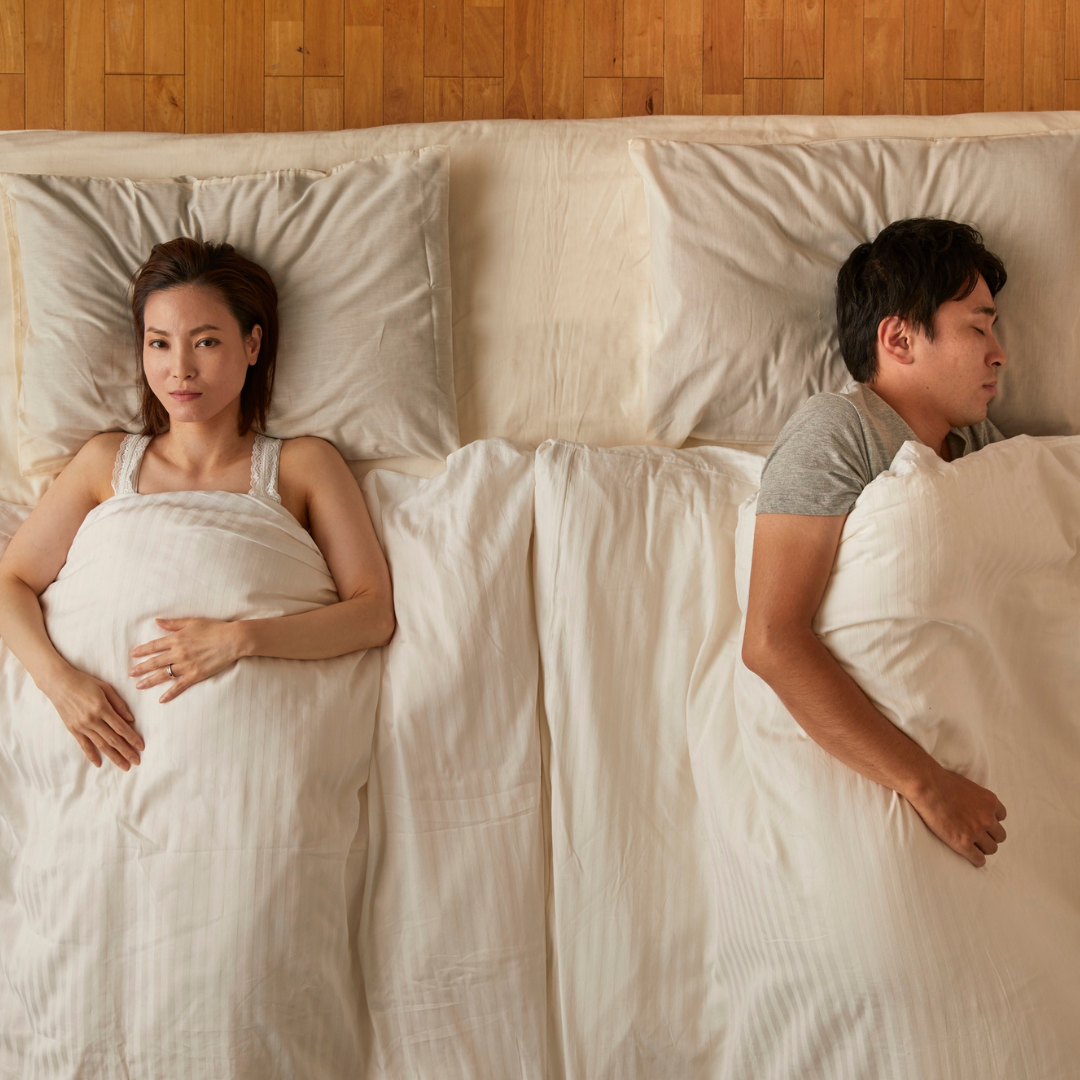

Have you ever woken up with neck pain, lower back soreness, or that nagging feeling that you didn’t sleep well, even though you got eight hours? If so, you’re not alone. The truth is, how you sleep might be just as important as how long you sleep. Your sleep posture—the position your body takes while you’re resting—plays a huge role in how you feel when you wake up.
Most people don’t think much about their sleeping position. We just climb into bed, get comfortable, and drift off. But here’s the thing: poor sleep posture can lead to real problems like back pain, neck strain, and even trouble sleeping through the night. On the flip side, when you sleep in the right position with the right support, your body gets the chance to truly rest and recover.
In this guide, I’m going to walk you through everything you need to know about sleep posture. I’ll explain why it matters, show you the best positions for different situations, and give you practical tips to help you improve your sleep posture starting tonight. Whether you’re dealing with back pain, trying to sleep better, or just curious about how your sleeping position affects your health, this guide has you covered.
Getting better sleep isn’t always about buying a new mattress or trying fancy sleep gadgets. Sometimes it’s as simple as understanding how your body should be positioned while you sleep and making a few smart changes. By the end of this guide, you’ll know exactly what good sleep posture looks like and how to achieve it every single night.
Key Takeaways
- Proper sleep posture reduces back pain, neck strain, and improves overall sleep quality
- Correct spine alignment during sleep is essential for long-term health and preventing chronic pain
- Different sleep positions work better for different people and health conditions
- The right pillow and mattress support are crucial for maintaining good sleep posture
- Small adjustments to how you sleep can lead to big improvements in how you feel
The Fundamentals of Sleep Posture
Sleep posture refers to the position your body is in when you’re sleeping. It sounds simple, but it’s actually the foundation of good sleep hygiene and overall health. Think of sleep posture as the way your skeleton, muscles, and joints line up while you’re resting. When everything is aligned properly, your body can relax completely. When it’s not, your muscles stay tense, trying to compensate for poor positioning, and that tension carries over into your waking hours.
Why does this matter? Well, we spend about a third of our lives sleeping. If you’re sleeping in a position that doesn’t support your body properly, that’s roughly eight hours every single night where your body is working against itself instead of repairing and recovering. Over time, this can lead to chronic pain, poor sleep quality, and other health issues.
Good sleep posture means your head, neck, shoulders, spine, and hips are all in a neutral position—basically, they’re aligned the way they would be if you were standing up straight. This neutral alignment allows your muscles to relax, your nerves to function properly, and your blood to flow without restriction. It’s the position where your body can do its best work: healing, restoring energy, and preparing you for the next day.
The interesting thing is that sleep posture isn’t one-size-fits-all. Different positions work for different people, and what feels comfortable depends on your body type, any pain you might have, and your personal preferences. However, some positions are generally better for most people than others, which is why sleep experts and doctors often recommend specific sleeping positions for specific situations.
Getting your sleep posture right also depends on what you’re sleeping on. Your mattress and pillow play a huge role in supporting your body in the right position. A mattress that’s too soft won’t support your spine properly, while one that’s too firm might create pressure points. The same goes for pillows. The wrong pillow can cause your head and neck to be in an awkward angle, which puts strain on your cervical spine. That’s why choosing the right mattress and pillow is just as important as choosing the right sleeping position.
If you’re looking to improve your sleep posture, the first step is understanding what good posture looks like. Once you know that, you can start making adjustments to how you sleep and what you sleep on. Many people find that investing in quality bedding makes a huge difference. Browse a wide selection of pillows at Mattress Direct, from memory foam to cooling options, designed for enhanced comfort and neck support that helps maintain proper alignment throughout the night.
How Sleep Posture Affects Health
Your sleep posture has a direct impact on your physical health in ways you might not realize. It’s not just about waking up without a sore neck—though that’s definitely a bonus. The way you sleep can affect everything from your breathing to your digestion to your long-term spinal health.
Let me break down some of the main ways sleep posture affects your health:
- Back pain and neck strain: Poor sleep posture is one of the biggest causes of morning back and neck pain. When your spine isn’t properly aligned, the muscles and ligaments around it have to work overtime to compensate, leading to pain and stiffness.
- Breathing and sleep apnea: If you sleep on your back or in a position that compresses your airway, it can worsen sleep apnea symptoms or even trigger them. Certain positions allow your airway to stay open, which means better breathing throughout the night.
- Circulation issues: When you sleep in a cramped or twisted position, you can restrict blood flow. This can lead to numbness, tingling, and can even affect how well oxygen reaches your muscles and organs while you sleep.
- Digestive health: Believe it or not, how you sleep can affect your digestion. Sleeping on your left side, for example, can actually help with digestion and reduce acid reflux, while other positions might make these issues worse.
- Pressure on joints: Certain sleeping positions put more pressure on your joints, particularly your hips, shoulders, and knees. Over time, this extra pressure can contribute to joint pain and conditions like arthritis.
- Muscle tension and stiffness: When your muscles have to work to support your body in an awkward position all night, they stay tense. This leads to that stiff, achy feeling when you wake up and can build up over time into chronic muscle tension.
The good news is that all of these issues are preventable or can be improved by fixing your sleep posture. It’s not an instant fix—your body won’t transform overnight—but over time, as you train yourself to sleep in better positions with proper support, you’ll notice real improvements in how you feel.
Importance of Correct Spine Alignment
Your spine is the foundation of your body. It protects your nervous system, supports your head and torso, and allows you to move in almost any direction. That’s why keeping it properly aligned, especially while you sleep, is so critical for your long-term health.
When your spine is aligned correctly during sleep, each vertebra sits in its natural position, with the discs between them under even pressure. This is the ideal state. Your nerves can function properly, your muscles can relax, and there’s no extra stress on any one area. However, when you sleep in a position that twists or bends your spine, you’re putting uneven pressure on those discs and creating stress on the surrounding tissues.
“The spine is not just a mechanical structure—it’s the central hub through which nerves run to every part of your body. When your spine is misaligned during sleep, it can affect not just your back, but your overall health and how well you sleep.” – Sleep and Posture Research Institute
Think about what happens during an eight-hour night of sleep. If your spine is out of alignment for all those hours, your body is essentially recovering from trauma every night. You wake up stiff and sore, your body hasn’t fully rested, and you’re more likely to experience pain throughout the day. Over weeks and months, this compounds. What started as occasional morning stiffness can turn into chronic back pain, reduced mobility, and other complications.
Correct spine alignment during sleep means your cervical spine (neck), thoracic spine (mid-back), and lumbar spine (lower back) are all in their natural curves. Your head should be supported so your neck isn’t twisted or bent at an odd angle. Your torso should be supported so your spine can maintain its natural S-shape. And your lower back should have support to maintain the natural curve that prevents disc strain.
Achieving proper spine alignment requires both the right sleeping position and the right support system—meaning a good mattress and pillow. If you’re sleeping on a worn-out mattress that sags or a pillow that’s too flat or too thick, you’re fighting an uphill battle. Your body is trying to maintain alignment while the surface beneath you is working against it. That’s why investing in quality bedding that supports proper spine alignment isn’t a luxury—it’s an investment in your health. Consider exploring options like hybrid mattresses at Mattress Direct, combining the benefits of memory foam and innerspring for the ultimate in comfort and support, which are specifically designed to maintain proper alignment throughout the night.
“`html
Best Positions for Sleep Posture
When it comes to improving your sleep quality, understanding the best sleep positions is just as important as having the right mattress. Your sleeping position directly affects your spine alignment, comfort level, and overall health. Throughout the night, your body naturally shifts between different positions, but knowing which positions support healthy sleep posture can help you wake up feeling refreshed instead of sore and stiff.
The three main sleep positions are back sleeping, side sleeping, and stomach sleeping. Each position has its own benefits and drawbacks when it comes to sleep posture and spinal health. What works best for one person might not be ideal for another, which is why it’s important to consider your personal needs, any existing pain, and your comfort preferences when choosing your sleep position.
Back Sleeping: The Neutral Position
Back sleeping is often considered the gold standard for sleep posture because it allows your spine to maintain its natural curve. When you sleep on your back, your head, shoulders, and hips are aligned in a neutral position, which reduces stress on your joints and muscles. This position is particularly beneficial if you’re looking to maintain correct spine alignment throughout the night.
However, back sleeping isn’t right for everyone. Some people find that sleeping on their back can make snoring worse or trigger sleep apnea symptoms. If you do prefer back sleeping, make sure you have proper support under your head and neck. A pillow that’s too high or too low can throw off your alignment and cause neck strain.
Side Sleeping: The Popular Choice
Side sleeping is one of the most common sleep positions, and for good reason. This position naturally supports your spine when done correctly, making it an excellent choice for maintaining healthy sleep posture. Many people find side sleeping more comfortable than back sleeping, and it can help reduce snoring and improve breathing for some individuals.
When you sleep on your side, your spine stays relatively straight, which helps prevent the kind of pressure buildup that can lead to back pain and discomfort. The key to good side sleeping posture is keeping your spine aligned by using proper pillow support and choosing a mattress that provides adequate support without being too soft or too firm.
Stomach Sleeping: The Least Ideal Position
While some people naturally prefer stomach sleeping, it’s generally considered the least healthy option for sleep posture. When you sleep on your stomach, you have to turn your head to one side, which can strain your neck and upper spine. This position can also create an unnatural curve in your lower back, especially if your mattress is too soft.
If you’re a stomach sleeper and want to improve your sleep posture, try gradually transitioning to side sleeping or back sleeping. If you must sleep on your stomach, place a pillow under your pelvis to reduce the curve in your lower back and minimize strain on your spine.
Finding Your Ideal Sleeping Position
The best sleeping position for you depends on several factors, including any existing back pain or neck issues, your personal comfort preferences, and your body type. Some people find that switching between back and side sleeping throughout the night works best for them, while others do fine with one primary position.
What matters most is that your mattress and pillows work together to support your chosen sleep position. A mattress that’s too soft might sag under your body weight, throwing off your spine alignment, while one that’s too firm might create pressure points that keep you uncomfortable all night.
At Mattress Direct, we understand that every sleeper is different. That’s why we carry a wide range of mattress types designed to support different sleep positions and preferences. Whether you need a mattress with extra cushioning for side sleeping or firm support for back sleeping, our team can help you find the perfect match. Explore hybrid mattresses at Mattress Direct, combining the benefits of memory foam and innerspring for the ultimate in comfort and support. We also offer innerspring mattresses at Mattress Direct for a traditional sleep experience, offering great support and durability for all sleep types, giving you options no matter what your sleep posture preference might be.
Ideal Sleeping Position for Back Pain
If you deal with back pain, your sleeping position becomes even more critical to your recovery and comfort. The wrong sleep position can aggravate your pain and leave you waking up feeling worse than when you went to bed. The good news is that choosing the right sleeping position, combined with proper mattress support, can actually help reduce your back pain and improve your sleep quality significantly.
For people with back pain, back sleeping and side sleeping are generally the most recommended options. Back sleeping keeps your spine in a neutral alignment when done properly, which can reduce pressure on your lower back. Side sleeping is also excellent for back pain relief because it maintains the natural S-curve of your spine when you use the right support.
The key to managing back pain while sleeping is using the right combination of mattress firmness and pillow support. Many people with back pain find that a medium-firm mattress works best, as it provides enough support to prevent sagging while still offering some cushioning for comfort.
If you’re dealing with back pain, you’ll also want to think about what goes under your head and between your knees. The right pillow keeps your neck aligned with your spine, while a pillow between your knees when side sleeping helps keep your hips and spine properly aligned.
| Back Pain Sleeping Position | Best Mattress Type | Key Support Tips |
| Back Sleeping | Medium-Firm Support, Memory Foam or Hybrid | Pillow under head and small pillow under lower back |
| Side Sleeping | Medium-Firm to Firm Support, Hybrid or Wrapped Coil | Pillow under head, pillow between knees |
| Fetal Position (Modified Side) | Medium Support, Memory Foam | Supportive pillow, pillow between knees |
| Stomach (Least Recommended) | Firmer Support, Innerspring or Hybrid | Thin pillow, pillow under pelvis to support lower back |
When choosing a mattress specifically for back pain relief, think about the ergonomics of sleep and how different materials support your body. Gel memory foam mattresses provide contouring support that follows your body’s natural shape, reducing pressure points that can aggravate pain. Wrapped coil mattresses offer superior support and motion isolation, which means if you sleep with a partner, their movements won’t disturb your rest or aggravate your back pain.
At Mattress Direct, our knowledgeable team understands how important it is to find the right mattress when you’re dealing with back pain. We carry trusted brands like Sealy Posturepedic, Tempur-Pedic, and Stearns & Foster—all designed with back support in mind. Our sleep experts can assess your specific situation and recommend a mattress that supports your chosen sleep position and provides the relief you need.
Benefits of Side Sleeping Postures

Side sleeping is one of the most popular sleep positions, and there are plenty of good reasons why so many people prefer it. Beyond just being comfortable, side sleeping offers real health benefits that can improve your sleep quality and your overall well-being. Whether you naturally gravitate toward side sleeping or you’re considering making the switch from another position, understanding these benefits can help you optimize your sleep posture.
One of the biggest advantages of side sleeping is its impact on your respiratory system. When you sleep on your side, your airways stay more open and relaxed compared to back or stomach sleeping. This improved breathing can make a real difference if you snore or if you have mild sleep apnea. Better airflow means more restful sleep and less waking during the night, so you wake up feeling more refreshed.
Side sleeping is also excellent for your digestive system. When you sleep on your left side, gravity naturally helps your stomach and intestines move food through your system more efficiently. This can reduce bloating and discomfort and may even help with acid reflux for some people. Many sleep experts recommend left-side sleeping specifically for digestive health benefits.
Another major benefit of side sleeping is improved spinal alignment when you use proper support. Unlike stomach sleeping, which can twist your spine, side sleeping keeps your spine relatively straight. This means less strain on your joints and muscles, which translates to waking up without the stiffness and soreness that many people experience with other sleep positions.
“Switching to side sleeping with a supportive mattress completely changed how I feel in the morning. I used to wake up with neck pain and stiffness, but now I actually feel rested. The right mattress made all the difference!” – A satisfied Mattress Direct customer
Side sleeping is also particularly beneficial for pregnant women. The increased blood flow from side sleeping (especially left-side sleeping) supports both mother and baby, making it the recommended position during pregnancy. Many expectant mothers find that side sleeping with proper pillow support helps them stay comfortable throughout their pregnancy.
For people with back pain, side sleeping can be a game-changer. By maintaining the natural curve of your spine and distributing your weight evenly across your body, side sleeping reduces pressure on your lower back and can actually help relieve pain rather than aggravate it.
The success of side sleeping really depends on having the right support system. You need a mattress that’s firm enough to support your body without sagging but soft enough to cushion your shoulders and hips. You also need a pillow that keeps your head aligned with your spine—too high and you’ll strain your neck, too low and your head will sink into your shoulders.
When shopping for a mattress to support your side sleeping posture, consider medium to medium-firm options. Memory foam and hybrid mattresses work particularly well for side sleepers because they conform to your body’s curves while still providing the support you need. Tempur-Pedic and Sealy Posturepedic both offer excellent options designed specifically to support side sleeping and proper spine alignment.
Tips for Better Sleep Posture
Improving your sleep posture doesn’t happen overnight, but with some intentional changes and the right support system, you can gradually train your body to sleep in healthier positions. The good news is that most of these changes are simple and don’t require anything dramatic. Making small adjustments to your sleep environment and routine can have a big impact on your sleep quality and your overall health.
One of the most important things you can do is assess your current sleep situation. Pay attention to how you naturally position yourself when you sleep, and notice if you wake up with any pain or stiffness. This information will help you understand what changes you need to make. Keep a simple sleep journal for a few nights, noting your position when you fall asleep and how you feel when you wake up.
Start by making gradual changes to your sleep position if you want to move away from stomach sleeping or another position that’s causing you problems. Don’t try to completely change your position in one night—your body won’t cooperate. Instead, focus on being more aware of your position as you’re falling asleep, and gently guide yourself into a better position. It might take a few weeks, but eventually your body will adjust.
Invest in quality pillows that support your chosen sleep position. This is one of the most impactful changes you can make for your sleep posture. The right pillow keeps your head and neck aligned with your spine, preventing strain and tension. Different sleep positions need different pillow support—back sleepers need moderate support, side sleepers need firmer support, and stomach sleepers need very thin pillows or no pillow at all.
Your mattress matters just as much as your pillow. A mattress that’s too soft will let your body sag into unhealthy curves, while one that’s too firm might create pressure points that keep you uncomfortable all night. The best mattress for your sleep posture is one that supports your body while conforming to your natural curves. Wrapped coil mattresses at Mattress Direct offer superior support and motion isolation for a more restful night’s sleep, making them an excellent choice for sleepers focused on maintaining proper posture.
Consider using positioning pillows or bolsters to help you maintain better sleep posture throughout the night. If you’re a side sleeper, a pillow between your knees keeps your hips and spine aligned. If you’re a back sleeper, a small pillow under your lower back supports the natural curve of your spine. These simple tools can make a surprising difference in how you feel.
Try to stick to a consistent sleep schedule and sleep environment. Your body learns patterns, and when you sleep at the same time every night in a comfortable, dark, quiet room, your body naturally settles into better sleep posture. A consistent routine also means better overall sleep quality, which gives your body more time to rest and recover.
Be patient with yourself as you work to improve your sleep posture. Your body has probably settled into its current sleep position over years or even decades, so changing that pattern takes time. Don’t get frustrated if you wake up in your old position sometimes—that’s normal. Just gently guide yourself back into your new position and keep working at it.
If you’re dealing with chronic pain or have specific health concerns, don’t hesitate to ask for help. The team at Mattress Direct has experience helping customers find the right mattress and pillow combination for their specific needs. We can offer guidance on the best sleep posture for your situation and recommend products that will support your goals.
Choosing the Right Pillows for Sleep
Your pillow might be one of the most important pieces of your sleep setup, yet many people don’t pay nearly enough attention to choosing the right one. The wrong pillow can cause neck pain, shoulder tension, and poor sleep posture, while the right pillow supports your head and neck in a way that feels comfortable and helps maintain proper spine alignment. Since you spend about a third of your life with your head on a pillow, it’s worth investing in a quality option that supports your sleep posture.
Different sleep positions require different types of pillow support. A pillow that works great for back sleeping might be terrible for side sleeping, and vice versa. The key is matching your pillow to your preferred sleep position and your personal comfort preferences.
When evaluating pillows for your sleep posture, consider these important factors:
- Loft (height) of the pillow: Back sleepers generally do best with medium loft pillows that support the curve of the neck without tilting the head too far back. Side sleepers need higher loft pillows to fill the gap between their shoulder and head. Stomach sleepers need very thin, low-loft pillows or no pillow at all to avoid straining the neck.
- Firmness level: A pillow that’s too soft won’t provide enough support and your head will sink into it, throwing off your alignment. A pillow that’s too firm can create pressure points and feel uncomfortable. Look for a pillow with firmness that matches your preferences and sleep position.
- Material composition: Memory foam pillows conform to your head and neck shape, providing excellent support for spine alignment. Gel memory foam pillows offer the same contouring with cooling benefits if you tend to sleep hot. Innerspring and hybrid pillows provide more bounce and air circulation. Latex pillows are naturally hypoallergenic and durable.
- Neck support: The best pillows for sleep posture have adequate neck support that prevents your neck from bending at awkward angles. This is especially important if you already deal with neck pain or tension.
- Breathability and temperature regulation: If you sleep hot, look for pillows with cooling gel or breathable materials like latex. Better temperature regulation means you’ll sleep more soundly and stay in better sleep posture throughout the night instead of tossing and turning.
- Durability: A quality pillow should hold its shape and support for years of use. Cheaper pillows tend to flatten out quickly, which compromises your sleep posture over time.
- Hypoallergenic properties: If you have allergies or sensitive skin, choose pillows that resist dust mites and mold. This keeps your pillow fresher longer and prevents irritation that could disrupt your sleep.
At Mattress Direct, we understand that the right pillow makes a huge difference in your sleep posture and overall sleep quality. That’s why we carry a wide selection of high-quality pillows from trusted brands. Browse our collection of pillows, from memory foam to cooling options, designed for enhanced comfort and neck support. Our team can help you find the perfect pillow for your sleep position and help you understand how to use it properly to maintain good sleep posture.
When you’ve found the right pillow, take care of it so it lasts longer. Wash the pillow cover regularly, use a protective pillow protector underneath to reduce dust and moisture buildup, and replace your pillow every 1-2 years when it starts to lose its shape and support. A pillow that’s lost its loft can’t support proper sleep posture, so regular replacement is part of maintaining healthy sleep habits.
Mattress Support for Sleep Posture
Your mattress is the foundation of your sleep posture, and choosing the right one can make the difference between waking up refreshed or waking up in pain. A quality mattress provides the right balance of support and comfort for your specific sleep position and body type, helping you maintain proper spine alignment throughout the night.
The firmness level of your mattress plays a huge role in your sleep posture. If your mattress is too soft, your body sinks into it, which can create an unnatural curve in your spine and lead to back pain. If your mattress is too firm, it might create pressure points on your hips and shoulders, causing discomfort and poor sleep. The ideal mattress provides enough support to keep your spine aligned while also conforming to your body’s natural curves.
Different mattress materials offer different types of support and feel. Memory foam mattresses conform closely to your body shape, providing excellent support for people with back pain or those who want pressure relief. They work well for most sleep positions and are particularly good for side sleepers. Innerspring mattresses offer traditional support with good bounce and air circulation, making them great for back sleepers and people who like a firmer feel. Hybrid mattresses combine memory foam and innerspring for a balance of support and comfort. Latex mattresses provide natural support with excellent durability and hypoallergenic properties.
Your body weight also matters when choosing a mattress for good sleep posture. Heavier individuals typically need firmer support to prevent excessive sinking, while lighter sleepers can often do well with medium-firmness mattresses. The right firmness ensures that your spine maintains its natural S-curve throughout the night.
If you sleep with a partner, motion isolation becomes important for sleep posture. When your partner moves during the night, a mattress with poor motion isolation can shift your body out of proper alignment, disrupting your sleep posture. Memory foam and wrapped coil construction both offer excellent motion isolation, meaning you’ll stay in your ideal sleep position even when your partner moves.
Temperature regulation is another factor that affects your sleep posture indirectly. If your mattress makes you too hot or too cold, you’ll toss and turn throughout the night, constantly changing positions and disrupting your sleep posture. Gel memory foam and latex mattresses tend to sleep cooler than traditional memory foam, while innerspring mattresses offer good air circulation for cooler sleeping.
When shopping for a mattress at Mattress Direct, our sleep experts can help you understand how different mattress types support various sleep positions and postures. We carry premium brands like Tempur-Pedic, Sealy Posturepedic, and Stearns & Foster, all designed to support proper sleep posture. Whether you need extra cushioning for side sleeping, firm support for back sleeping, or cooling technology because you sleep hot, we have options that will help you achieve the sleep posture and sleep quality you deserve. Visit us in Conway, North Myrtle Beach, or Grand Strand to try different mattresses and find your perfect match, or shop our complete selection online 24/7 at MattressDirectSC.com.
“`
Ergonomic Sleeping Positions
When we talk about ergonomic sleeping positions, we’re really talking about how your body aligns with your mattress and pillows to reduce strain and support your natural spine curves. Think of ergonomics as the science of fitting your sleep setup to your body, not the other way around. Getting this right can make a huge difference in how you feel when you wake up.
Ergonomic sleep positions are all about finding that sweet spot where your head, neck, shoulders, and spine stay in a neutral line. This means your body isn’t twisting, bending, or putting pressure on any one area. When you sleep in an ergonomic position, your muscles can actually relax instead of working overtime to keep you comfortable. It’s like giving your body permission to truly rest.
The key to achieving an ergonomic sleeping position comes down to three things: your mattress, your pillows, and your body position. Each piece plays a role in how well your sleep posture supports your health. If one element is off, it throws off the whole balance. That’s why so many people wake up with stiffness or soreness—their sleep setup isn’t working with their body, it’s working against it.
One of the biggest benefits of maintaining an ergonomic sleep position is that it helps with circulation. When your body isn’t twisted or compressed in awkward ways, blood flows more freely throughout the night. Better circulation means your muscles get more oxygen and can recover properly. This is especially important if you spend your day sitting at a desk or doing physical work.
Another advantage is reduced pressure on your joints and muscles. Your neck, lower back, and hips are particularly sensitive to poor positioning. An ergonomic sleep position keeps these areas supported and aligned, which means less strain and fewer aches when you wake up. Over time, maintaining good sleep posture can actually prevent long-term pain and discomfort.
Many people don’t realize that an ergonomic sleeping position also affects how deep your sleep is. When your body isn’t fighting to stay comfortable, you move through sleep cycles more smoothly. This means you spend more time in the restorative stages of sleep where your body actually heals and repairs itself.
Creating an ergonomic sleep environment starts with understanding your personal needs. Are you a side sleeper, a back sleeper, or do you tend to move around? Your natural sleeping position should guide your choices in mattress firmness and pillow height. If you’re a side sleeper, you’ll need different support than someone who sleeps on their back.
The mattress you choose plays a huge role in supporting ergonomic sleep positions. A mattress that’s too soft won’t provide enough support for your spine, while one that’s too firm can create pressure points. You want a mattress that contours to your body while still keeping your spine aligned. That’s why many people find that hybrid mattresses combining the benefits of memory foam and innerspring for the ultimate in comfort and support work well for maintaining proper sleep posture throughout the night.
Your pillow is equally important for ergonomic positioning. The right pillow should fill the gap between your neck and shoulder, keeping your head in line with your spine. If your pillow is too high, it bends your neck forward. Too low, and your head tilts back. Either way, you’re creating strain that affects your sleep quality and how you feel the next day.
If you’re looking to improve your ergonomic sleep position, start by paying attention to how you feel when you wake up. Do you have neck pain? Is your lower back stiff? Does one shoulder feel sore? These clues tell you exactly where your current sleep setup isn’t supporting you properly. Once you know what’s bothering you, you can make targeted adjustments to your sleeping position and your sleep environment.
Many people find that switching to a more ergonomic sleep position takes a few nights of adjustment. Your body has gotten used to whatever position you’re currently sleeping in, even if it’s not ideal. Be patient with yourself as you transition to a better sleeping position. After about a week of consistent practice, most people find their new position feels natural and comfortable.
Sleep Posture for Couples
Sharing a bed with a partner brings its own set of challenges when it comes to sleep posture. You’re not just managing your own position and comfort—you’re also considering someone else’s needs, movements, and preferences. The good news is that with some planning and the right mattress, couples can absolutely both achieve good sleep posture and get quality rest together.
The biggest challenge couples face is that each person may have different sleep posture needs. One partner might need a firmer mattress for back support, while the other prefers a softer feel for side sleeping. One person might be a restless sleeper who moves around all night, while their partner barely moves once they’re settled in. These differences can make it hard for both people to get the sleep posture support they need.
Motion transfer is a major issue for many couples. When one partner moves, shifts position, or gets out of bed, the other partner feels it. This constant disruption can prevent you from staying in your ideal sleep posture long enough to get deep, restorative sleep. Over time, this can lead to fatigue and even relationship tension around bedtime.
Finding a mattress that works for both of you is key to improving sleep posture as a couple. You want something that provides good support for both sleep positions without transferring too much motion between partners. This is where understanding what each person needs becomes really important.
| Sleep Position | Mattress Firmness Preference | Pillow Height Needs | Space Requirements |
| Back Sleeping | Medium to Firm | Standard to Medium Height | Less movement, stable position |
| Side Sleeping | Medium Firmness | Higher Support Pillow | More width needed for comfort |
| Stomach Sleeping | Firm Support | Low or Thin Pillow | Requires full bed width |
| Combination Sleeper | Medium (Balanced) | Adjustable Options | Frequent movement, needs space |
One solution many couples find helpful is choosing a mattress with good motion isolation. Wrapped coil and memory foam mattresses typically do a better job of containing motion to one area of the bed. When your partner rolls over, you won’t feel it as much, which means you can stay in your ideal sleep posture without being jostled awake.
Bed size matters more than people realize. A queen-size bed is standard for couples, but if you’re both tall, wide, or if one of you moves a lot during the night, you might find that a king-size bed gives you both enough space to maintain your preferred sleep posture without disturbing each other. More space means less compromise and better sleep for both of you.
Communication is really important here. Talk with your partner about what sleep posture feels best for each of you. Does one person need more pillow support? Does someone prefer a certain mattress firmness? Once you understand each other’s needs, you can work together to find solutions that work for both of you.
Some couples benefit from using body pillows or a wide selection of pillows at Mattress Direct, from memory foam to cooling options, designed for enhanced comfort and neck support. These can help each partner maintain their ideal sleep posture even when sharing a bed. A body pillow between you can also reduce motion transfer and give each person a physical boundary that makes them feel like they have more personal space.
Temperature control is another big factor for couples. If one of you runs hot and the other runs cold, it can affect how you both sleep. You might find that adjustable bed options help, since some people can raise the head or foot of their side of the bed independently. This allows each person to find their perfect sleep posture angle without affecting their partner.
When you’re shopping for a mattress as a couple, try to test it together if possible. Lie down in the positions you both normally sleep in. Feel how the mattress responds to both of your body types and weights. Does it provide support for your partner’s sleep posture while still working for yours? Does one person’s movement create noticeable motion on the other side? These are the questions that matter when you’re choosing a mattress for two people.
Remember that finding the right sleep posture setup as a couple might take some trial and error. What works at first might need adjusting after a few months. That’s normal. Pay attention to how you both feel in the morning. Are you both waking up with fewer aches and pains? Are you both sleeping through the night without waking each other up? These signs tell you whether your current setup is supporting good sleep posture for both of you.
Improving Sleep Quality with Posture
The connection between sleep posture and sleep quality is stronger than most people realize. Your sleeping position affects everything from how deeply you sleep to how rested you feel when you wake up. If you’ve been struggling to get a good night’s sleep, improving your sleep posture might be the answer you’ve been looking for.
Poor sleep posture creates tension in your muscles and joints throughout the night. This tension keeps your nervous system in a low-level state of alert, which prevents you from reaching the deepest stages of sleep. You might be in bed for eight hours, but if your posture is pulling your body in uncomfortable directions, you’re not getting truly restorative sleep. Your body is spending energy dealing with the discomfort instead of healing itself.
When you improve your sleep posture, something amazing happens—your sleep actually becomes deeper and more restful. Your muscles can truly relax. Your nervous system can calm down. Your breathing becomes easier because your airway isn’t restricted. All of these things combine to help you move through your sleep cycles more smoothly and spend more time in the restorative stages where real healing happens.
The quality of your sleep affects everything about your next day. When you’ve had good quality sleep with proper posture support, you wake up more alert, have better focus, and feel more emotionally balanced. You’re less likely to be irritable or impatient. Your immune system functions better. You even make better decisions. Sleep quality that good starts with sleep posture that works for your body.
One of the first ways to improve sleep quality through posture is to pay attention to what position makes you feel best. Some people naturally sleep on their side, some on their back, and some move between positions. There’s no one “perfect” position for everyone, but there is a best position for you. The position that feels most natural and comfortable is usually the one where you can maintain good alignment without effort.
Your mattress choice directly impacts your ability to maintain good sleep posture and, therefore, the quality of your sleep. A mattress that’s too soft doesn’t provide enough support, so your body sinks in unnaturally and your spine doesn’t stay aligned. A mattress that’s too hard creates pressure points that force you to adjust and shift throughout the night to find comfort. You want a mattress that’s just right for your body weight and sleeping position—one that provides support while still allowing your body to sink in enough to feel comfortable.
That’s why so many people find that gel memory foam mattresses help improve their sleep quality. Memory foam contours to your body, supporting your natural curves while keeping your spine aligned. The gel component helps keep you cool, so you’re not waking up hot and uncomfortable. When your body stays cool and supported all night, you sleep more deeply and wake up feeling more refreshed.
Your pillow plays just as important a role in sleep quality as your mattress does. The right pillow supports your head and neck in a neutral position—not too high, not too low. This prevents neck strain and allows better blood flow to your brain. When your neck is comfortable and well-supported, you’re less likely to wake up with pain or stiffness, and you can stay in restorative sleep longer.
Making adjustments to improve your sleep posture takes intention, but the payoff is worth it. Start by noticing where you feel tension or pain when you wake up. That’s your body telling you which areas need more support. If your lower back aches, you might need a mattress with more support in that area or an additional pillow under your knees. If your neck is sore, your pillow height probably needs adjustment.
Give yourself a week or two to adjust to changes. Your body has developed habits around your current sleep setup, so changing things up will feel weird at first. But after a few nights, your body will adapt. You’ll start noticing that you sleep deeper and wake up feeling better. That’s when you know your improved sleep posture is actually working.
One helpful strategy is to think about your sleep environment as a whole system. Your mattress, pillows, and sleeping position all work together to create either good quality sleep or poor quality sleep. If one element is off, it affects the whole system. That’s why taking time to get each element right is so important. When everything works together, you get sleep quality that transforms how you feel every single day.
Another way to improve sleep quality through posture is to be mindful of how you’re positioning yourself as you fall asleep. Instead of just flopping into bed and hoping for the best, take a moment to settle into your ideal position intentionally. Notice how your body feels. Are your shoulders relaxed? Is your spine straight? Is your head supported? Making these small adjustments as you fall asleep helps program your body to maintain good posture throughout the night.
If you share a bed with a partner, improving your sleep posture together can help both of you get better quality sleep. When you’re not being jostled by someone else’s movements or fighting for space to get comfortable, you can maintain your ideal position longer. You both sleep deeper, which means you both wake up feeling more rested and happier. Better sleep posture really does improve sleep quality for everyone involved.
Consider investing in quality sleep accessories that support good posture. A mattress topper can add support or softness to an existing mattress. The right pillows can make a huge difference in neck and spine alignment. Even something simple like a body pillow can help you maintain better posture if you’re a side sleeper. These additions might seem small, but they can make a real difference in your sleep quality.
The truth is, improving your sleep quality through better sleep posture is one of the best investments you can make in your health and happiness. Better sleep affects everything—your energy, your mood, your ability to handle stress, even your metabolism. When you improve your sleep posture and start getting truly restful sleep, you’ll wonder why you didn’t make the change sooner. The quality of your sleep really does matter, and it all starts with how your body is positioned when you lie down at night.
Sleep Posture Research
Understanding sleep posture has become increasingly important in the world of sleep science, and researchers are continually exploring how the way we sleep affects our overall health and wellness. When I think about getting a good night’s rest, I realize that proper sleep posture research provides valuable insights into why some people wake up refreshed while others struggle with pain and fatigue. The science behind sleep positions and their impact on our bodies is fascinating and backed by years of clinical studies and observations from sleep experts across the country.
Sleep posture research has evolved significantly over the past decade, with scientists focusing more intensely on the connection between body alignment, spinal health, and sleep quality. I’ve learned that the way you position your body during sleep directly influences everything from your breathing patterns to your circulation and muscle recovery. The importance of sleep posture becomes even clearer when researchers measure factors like sleep duration, sleep efficiency, and morning pain levels across different sleeping positions. These studies have shown that certain positions work better for specific health conditions, and understanding these findings can help me make better choices about my sleep setup.
One of the most important discoveries in sleep posture research involves the role of mattress support in maintaining correct spine alignment during sleep. Scientists have found that the best mattresses for sleep posture are those that provide balanced support without creating pressure points. When I invest in the right mattress, I’m not just buying comfort—I’m investing in the research-backed solution that helps my spine stay neutral throughout the night. This is why mattress firmness, material composition, and support systems have become central topics in modern sleep studies.
Pillow support has also received significant attention from sleep posture researchers. The ergonomics of sleep aren’t just about the mattress; they also depend heavily on having proper pillow support for your head and neck. I’ve discovered that the wrong pillow can undo all the benefits of sleeping in a correct position, which is why sleep experts now recommend choosing pillows that align with your specific sleep posture. Whether I sleep on my side, back, or stomach, there’s a specific pillow type that works best for maintaining proper alignment throughout the night.
The health effects of sleep posture have been documented through numerous research projects examining how sleep positions relate to back pain, neck strain, and other chronic conditions. Scientists studying the ergonomics of sleep have found that poor sleep posture contributes to morning stiffness, headaches, and long-term spinal issues. I can see why sleep posture tips have become so popular—when research shows that simple adjustments to how I sleep can reduce pain and improve my health, it makes sense to prioritize these changes. Modern sleep posture research continues to show that investing in proper sleep positioning pays dividends for my overall well-being.
When exploring solutions for better sleep posture, I’ve found that many sleep posture research studies recommend products specifically designed to support correct alignment. Explore hybrid mattresses at Mattress Direct, combining the benefits of memory foam and innerspring for the ultimate in comfort and support. These innovative sleep solutions help me maintain the proper spine alignment that researchers identify as crucial for quality rest. The connection between sleep posture and overall sleep quality becomes undeniable when you understand what the latest research tells us.
Latest Studies on Sleep and Posture
Recent sleep posture research has produced compelling evidence about how our sleeping positions impact everything from cardiovascular health to digestive function. When I look at the latest studies on sleep and posture, I see consistent findings that certain positions provide better support for specific health conditions. Researchers have been particularly focused on understanding which sleep positions promote the best sleep quality while minimizing strain on the body during those long hours we spend in bed.
“Studies show that sleeping in improper positions can increase pressure on the spine by up to 300 percent compared to sitting upright, making sleep posture one of the most important factors in preventing chronic pain and maintaining long-term spinal health.” – Sleep Research Institute
One major finding from current sleep posture research involves the benefits of side sleeping postures. Scientists have discovered that side sleeping can improve breathing patterns, particularly for people who experience snoring or sleep apnea. When I sleep on my side, I’m actually helping my airways stay more open, which promotes better oxygen flow throughout the night. This position also aids digestion and reduces pressure on internal organs, making it one of the most recommended positions according to recent studies on sleep and posture. However, the research also emphasizes that I need proper support from both my mattress and pillows to maintain this position correctly throughout the night.
Another important area of sleep posture research examines back sleeping and its role in maintaining correct spine alignment. Studies show that back sleeping can be excellent for spinal health when supported properly, though it’s not ideal for everyone. The research indicates that people with certain conditions may experience increased issues with back sleeping, which is why understanding your individual health needs matters so much. I’ve learned that what works best for my neighbor might not be ideal for me, which highlights why sleep posture research emphasizes personalized solutions.
Scientists studying sleep posture have also made important discoveries about how mattress support and pillow selection directly influence sleep quality and health outcomes. Research demonstrates that investing in quality products designed for proper support leads to measurable improvements in pain reduction and sleep duration. The latest studies on sleep and posture consistently recommend that I match my mattress firmness and pillow type to my specific sleeping position to achieve the benefits that researchers have documented. This means choosing the right sleep setup isn’t just a comfort preference—it’s a science-backed health decision.
Emerging Trends in Sleep Posture Research
The world of sleep posture research is constantly evolving, and I’m excited about the new directions that scientists are taking to understand sleep quality and proper positioning. Emerging trends in sleep posture research show that researchers are becoming more interested in how technology, personalized sleep solutions, and innovative mattress materials can help people achieve better rest. These new approaches to studying the ergonomics of sleep are revealing that one-size-fits-all recommendations don’t work for everyone, and that individualized sleep posture solutions are the future of sleep science.
One fascinating trend gaining momentum is the study of how adjustable sleep surfaces can improve sleep posture for different people. Researchers are exploring how customizable positioning options allow people to find their ideal sleeping position more easily. This emerging research suggests that the ability to adjust firmness, elevation, and support on demand could be revolutionary for people with chronic pain or specific health conditions. As I consider my own sleep setup, I’m learning that flexibility in my sleep environment might be just as important as the static support I’ve always relied on.
Another emerging trend in sleep posture research focuses on the relationship between sleep positions and overall wellness throughout the day. Scientists are beginning to understand that how I sleep doesn’t just affect my morning comfort—it influences my energy levels, mental clarity, and even my immune function during waking hours. This holistic approach to understanding sleep posture is opening up new conversations about why sleep quality matters so much for my long-term health. Researchers are now tracking how proper sleep posture contributes to better performance in work, exercise, and daily activities.
The study of couples’ sleep posture is also an emerging area of research that I find particularly relevant. Scientists are investigating how two people can share a bed while each maintaining optimal sleep posture and quality. This research into sleep posture for couples addresses real-world challenges that many people face, recognizing that good sleep posture isn’t just an individual concern but a relationship consideration. The findings suggest that investing in the right mattress and bedding for shared spaces is crucial for both partners’ health.
Material science is playing an increasingly important role in emerging sleep posture research. Scientists are studying how different mattress materials—from gel memory foam to latex to wrapped coil systems—affect spinal alignment and sleep quality. This research is driving innovation in mattress design, with manufacturers creating products specifically engineered to support proper sleep posture. I’m seeing more evidence that the right materials can make a significant difference in how well my body is supported throughout the night and how I feel when I wake up.
Conclusion: Achieve Better Sleep Through Posture
After exploring the science of sleep posture, one thing becomes crystal clear: the way I sleep matters tremendously for my health and quality of life. The connection between sleep posture and overall wellness is supported by extensive research, expert recommendations, and countless personal success stories from people who’ve made changes to improve their sleeping position. Understanding the importance of sleep posture has helped me see that this isn’t just about comfort—it’s about investing in my long-term health and well-being.
When I think about achieving better sleep through improved posture, I realize that it requires more than just good intentions. I need the right tools and support system to make lasting changes. This means evaluating my current mattress to ensure it provides adequate support for my preferred sleeping position, and considering whether my pillows are actually helping or hindering my spine alignment. The benefits of side sleeping postures, the importance of correct spine alignment for back sleepers, and the research-backed tips for better sleep posture all point to one important conclusion: my sleep setup directly affects my sleep quality and health outcomes.
The good news is that making these changes doesn’t have to be complicated. I can start by assessing my current sleep posture and identifying areas where I might need better support. Perhaps my mattress has lost some of its firmness over the years, or my pillow isn’t providing the neck support I need. Maybe I’m interested in exploring different sleeping positions to find what works best for my unique body and health needs. Whatever my situation, addressing sleep posture is an achievable goal that can lead to real improvements in how I feel every single day.
One of the most important steps I can take is choosing a mattress that properly supports my sleep posture. Discover gel memory foam mattresses at Mattress Direct, designed to keep you cool while providing contouring support and pressure relief. The right mattress works with my body to maintain proper alignment throughout the night, which means I wake up with less pain and more energy. Whether I need the support of an innerspring system, the comfort of memory foam, or something in between, finding the perfect match is essential for achieving the sleep posture improvements that research shows are possible.
For those dealing with specific issues like back pain during sleep, taking action on sleep posture recommendations can be truly transformative. The ideal sleeping position for back pain often combines proper body alignment with the right mattress support and pillow positioning. When I make these adjustments, I’m applying the same principles that sleep experts and researchers have validated through years of study. What seems like small changes—adjusting my pillow height or choosing a mattress with better support—can add up to significant improvements in my sleep quality and daily comfort.
If you’re ready to improve your sleep through better posture, I encourage you to visit Mattress Direct in Conway, North Myrtle Beach, or the Grand Strand area. Our sleep experts are here to help you find the perfect combination of mattress, pillows, and accessories to support your specific sleep posture needs. With our wide selection of pillows at Mattress Direct, from memory foam to cooling options, designed for enhanced comfort and neck support, you’ll find exactly what you need to optimize your sleep setup. Don’t settle for restless nights and morning pain when proven solutions are within reach. Stop by our store today, or shop online at MattressDirectSC.com 24/7 to explore our complete selection of quality mattresses and sleep posture products from trusted brands like Sealy, Tempur-Pedic, and Stearns & Foster.
Achieve Better Sleep Through Proper Posture
When you think about getting a good night’s sleep, what comes to mind? Maybe it’s a comfortable mattress or a quiet bedroom. But here’s something you might not have considered: the way you sleep could be just as important as where you sleep. Your sleep posture—how you position your body while you rest—plays a huge role in determining whether you wake up refreshed or stiff and sore.
Throughout this guide, we’ve explored how sleep posture affects your health, the best positions for different situations, and practical tips for improving your sleep quality with better posture. We’ve looked at everything from back pain solutions to side sleeping benefits, and we’ve discussed why choosing the right pillows and mattress support for sleep posture matters so much. The truth is, understanding these concepts can genuinely change your sleep experience for the better.
I know that making changes to your sleep habits might seem small, but the results can be life-changing. When you focus on improving sleep quality with proper posture, you’re not just trying to sleep better tonight—you’re investing in your long-term health and well-being. Correct spine alignment during sleep prevents pain, reduces strain on your joints, and allows your body to recover properly each night. Think about it: you spend roughly one-third of your life sleeping. Shouldn’t that time be working for you instead of against you?
The good news is that better sleep posture doesn’t require expensive treatments or complicated solutions. It starts with understanding what your body needs and then making smart choices about your sleep environment. This is where ergonomic sleeping positions come into play. When you align your sleep setup—your mattress, pillows, and sleeping position—with the natural curves of your spine, everything else falls into place. You’ll notice less morning stiffness, fewer aches, and deeper, more restorative sleep.
If you’re dealing with back pain, the ideal sleeping position for back pain relief is often one of the first changes you should make. Similarly, if you’re a side sleeper, understanding the benefits of side sleeping postures can help you optimize your current position. And for couples sharing a bed, finding ergonomic sleeping positions that work for both partners requires some communication and the right mattress that supports both of your bodies properly.
The research is clear: sleep posture research consistently shows that how you sleep directly impacts your physical health, mental clarity, and overall quality of life. The importance of sleep posture has been proven time and again by sleep scientists and health professionals. This isn’t just about comfort—it’s about preventing future problems and feeling your best every single day.
Here’s what I encourage you to do: Take a moment to think about your current sleep habits. Do you wake up with neck pain? Is your lower back sore? Do you feel restless throughout the night? These could all be signs that your sleep posture needs adjustment. The tips for better sleep posture we’ve discussed throughout this guide—from choosing the right pillows to investing in quality mattress support for sleep posture—are all within your reach.
At Mattress Direct, we understand that everyone’s sleep needs are different. That’s why we carry top brands like Tempur-Pedic, Sealy Posturepedic, Stearns & Foster, and Carrington Chase—all designed to provide the support and comfort you need for proper sleep posture. Whether you need a gel memory foam mattress for cooling comfort and posture support, a hybrid mattress that combines the best of both worlds, or a mattress topper to adjust your current bed’s firmness, we have options that fit your lifestyle and budget.
We also know that the right pillow makes all the difference in maintaining proper sleep posture. Investing in quality pillows designed for enhanced comfort and neck support can transform your sleep experience. The right pillow keeps your head and neck aligned with your spine, preventing strain and allowing you to sleep through the night without waking up in pain.
I want you to know that better sleep is possible for you. It doesn’t matter if you’ve been struggling with poor sleep posture for months or years—you can make changes starting tonight. Begin by being more aware of how you position yourself when you sleep. Pay attention to how your body feels in the morning. Make small adjustments: add a pillow between your knees if you’re a side sleeper, place a pillow under your lower back if you sleep on your back, or switch to a mattress that provides better support for your body type and sleep position.
The journey to better sleep through improved posture is straightforward: understand your body’s needs, choose the right support tools, and commit to better habits. You deserve to wake up feeling rested, pain-free, and ready to tackle your day. When you prioritize sleep posture, you’re prioritizing your health, your productivity, and your happiness.
I encourage you to take action today. Visit your nearest Mattress Direct location in North Myrtle Beach, Conway, or the Grand Stand area to speak with our sleep experts about mattresses and pillows that can support your specific sleep posture needs. If you prefer to shop from home, you can browse our full selection anytime at http://www.mattressdirectsc.com. Our 24/7 online shopping means you can explore your options whenever it’s convenient for you. Our knowledgeable team is ready to help you find the perfect combination of mattress and pillows to support your sleep posture for years to come. Your best night’s sleep is waiting—it’s time to make it happen.
Frequently Asked Questions About Sleep Posture
What exactly is sleep posture, and why does it matter so much?
Sleep posture refers to how you position your body while sleeping. It matters because the way you sleep directly affects your spine alignment, blood circulation, and how rested you feel. Poor sleep posture can lead to pain, stiffness, and long-term health issues, while good sleep posture promotes healing and restoration during the night.
Can sleep posture really affect my health, or is this just marketing?
Sleep posture genuinely affects your health. Studies show that improper sleep positioning contributes to back pain, neck strain, sleep apnea, and poor circulation. When your spine isn’t properly aligned while you sleep, your body can’t fully relax and recover, which impacts everything from your immune system to your mood the next day.
I have chronic back pain. Which sleeping position is best for me?
For back pain, sleeping on your back with a pillow under your knees is often recommended. This position keeps your spine in neutral alignment. If you prefer side sleeping, place a pillow between your knees to keep your hips and spine aligned. Avoid sleeping on your stomach, as this twists your neck and strains your lower back.
What are the benefits of side sleeping?
Side sleeping improves breathing, reduces snoring, helps with digestion, and can ease acid reflux. It’s also a good position for people with back pain if done correctly. However, you need proper support—a good pillow and mattress are essential to prevent your spine from twisting or your shoulder from being strained.
How do I know if I’m using the right pillow for my sleep posture?
The right pillow keeps your head and neck aligned with your spine. When you lie on your side, your pillow should be thick enough that your neck stays straight. When you sleep on your back, it should cradle your head without pushing your chin toward your chest. Your pillow should feel comfortable and supportive, and you shouldn’t wake up with neck pain or headaches.
Does mattress firmness really affect sleep posture?
Yes, absolutely. A mattress that’s too soft won’t support your spine properly, allowing it to sink and curve unnaturally. A mattress that’s too firm can create pressure points and prevent proper alignment. The right mattress firmness depends on your body weight, sleep position, and personal preference, which is why having options matters.
Can couples maintain good sleep posture while sharing a bed?
Yes, but it requires the right mattress. A mattress with good motion isolation helps each partner maintain their position without being disturbed. Some couples find that a firmer mattress works better for shared sleeping, while others prefer the contouring of memory foam. The key is finding a mattress that supports both partners’ sleep postures equally well.
What does ergonomic sleeping position mean?
An ergonomic sleeping position is one where your body is properly aligned, joints are supported, and muscles can relax fully. It means your spine maintains its natural curves, your neck isn’t twisted, and there are no pressure points causing discomfort. Ergonomic sleep positions prevent strain and allow for deeper, more restorative rest.
How long does it take to adjust to better sleep posture?
Most people adjust to a new sleep position or better sleep setup within one to two weeks. Your body is used to certain positions, so change takes time. Be patient with yourself. Once you’ve adjusted, you’ll notice improved sleep quality, less morning pain, and better overall health.
Is it normal to have trouble maintaining good sleep posture throughout the night?
Yes, it’s completely normal. Most people move during sleep and may shift positions several times. This is why having a supportive mattress and good pillows is so important—they help your body maintain proper alignment even when you move. Over time, as your body gets used to good posture, you’ll find yourself naturally returning to proper positioning.
What kind of mattress is best for supporting sleep posture?
The best mattress for sleep posture depends on your needs. Memory foam mattresses like Tempur-Pedic provide excellent contouring and pressure relief. Hybrid mattresses combine foam and springs for balanced support. Innerspring mattresses offer firm support for those who prefer it. Side sleepers often do well with medium-firm mattresses, while back sleepers may prefer something firmer.
Can poor sleep posture cause headaches?
Yes, poor sleep posture can definitely cause headaches. When your neck is twisted or unsupported, it creates tension in your neck and upper back. This tension often leads to morning headaches that can last for hours. Using the right pillow and maintaining proper neck alignment during sleep can prevent these headaches.
Do I need a special mattress if I’m a stomach sleeper?
Stomach sleeping isn’t ideal for spine health because it twists your neck and can create lower back strain. If you must sleep on your stomach, use a firm mattress and a thin pillow to minimize neck twisting. However, if possible, try transitioning to back or side sleeping for better long-term spinal health.
How does sleep posture connect to sleep quality and getting better rest?
When your body is properly supported and aligned during sleep, you experience less tossing and turning, deeper sleep cycles, and fewer wake-ups during the night. This means more time in restorative sleep phases where your body truly heals. Better posture literally means better sleep quality because your nervous system can relax fully.
What’s the connection between sleep posture research and current mattress technology?
Sleep posture research has driven mattress technology forward. Scientists have learned what support and comfort features help maintain proper alignment. This research led to innovations like gel memory foam for cooling, wrapped coil systems for motion isolation, and hybrid designs that combine different materials. Mattress companies use this research to create products that support better sleep posture naturally.